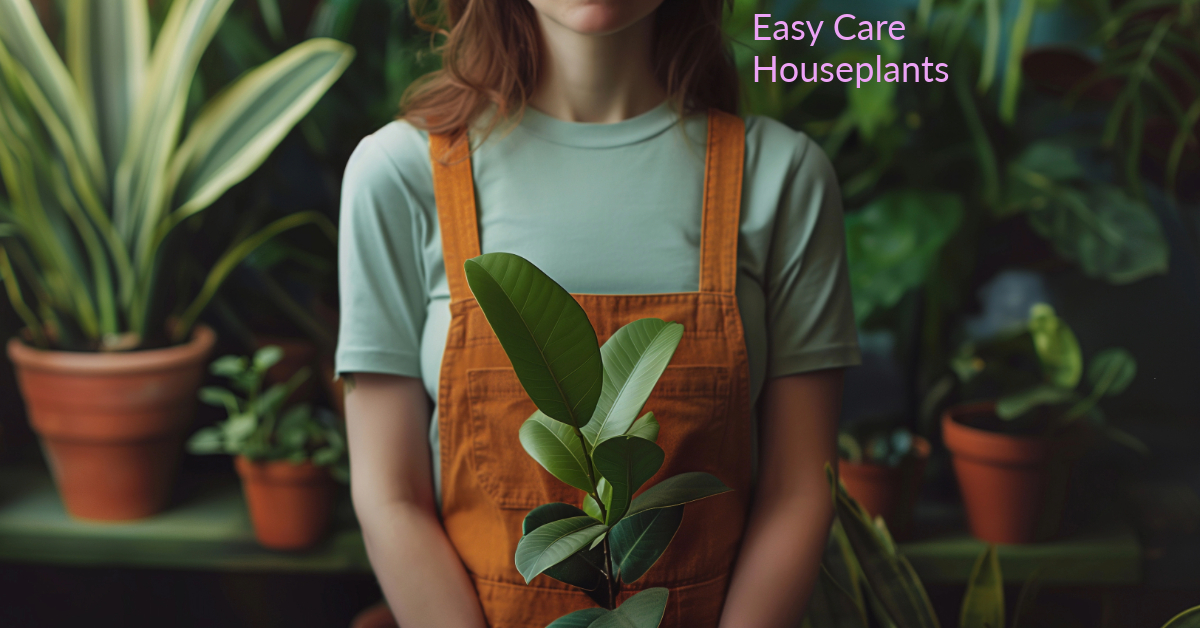
Getting a new houseplant is exciting and potentially a little nerve-wracking. Maybe you’re dwelling on the time a new plant failed to thrive, or perhaps you’re worried pests you didn’t notice are lurking in the new plant, just waiting to infect your entire plant collection. You want to do everything correctly, but what is the proper way? Here’s what you need to do when bringing new houseplants home.
Repot Too Quickly
For every resource telling you not to repot right away, another source says it’s okay to repot right away. It depends on the plant when deciding whether to repot. The argument against repotting a new houseplant is based on reducing unnecessary stress.
If your brand-new plant is healthy and thriving, don’t repot it. Give it time to acclimate and repot, if necessary, in a month or two. Bringing new houseplants home is stressful for the plant. A well-cared-for plant with no preexisting stress does not need the potential stress of repotting, so wait.
A struggling plant rescued from the clearance shelf would benefit from being repotted sooner rather than later. A properly sized pot with fresh soil catered to the plant’s specific needs, and maybe a quick prune will help the plant settle in and start to recover. In this example, the stress of repotting isn’t as intense as the stress of just existing, so repotting is necessary to help the plant settle in.
Pro tip: Many houseplants, like Hoyas and many flowering plants, like to be rootbound, so don’t hurry to repot just because you see roots starting to peak through the pot’s drainage holes. Wait to repot as long as the plant appears to be healthy overall.

Immediately Place Your New Plant with Other Plants
Bringing new houseplants home has a lot of potential. You may have visions of adding a new succulent to a carefully curated display or hanging the new Philodendron on your living wall. Wait.
Quarantine your new plant and keep it away from your other plants. You can check under the leaves and poke around at the soil to see if pests are present all you want, but the best way to ensure your new plant is pest-free is to wait it out.
Most reputable growers and stores work diligently to keep their plants healthy and clean, but it is still possible for some plants to become contaminated or infested. A well-meaning store employee may have brushed away the webs of a spider mite before you arrived, so until that bugger has a chance to rebuild, you may not realize it’s there. Laws vary by state but try to work with legitimate sellers who get their inventory from licensed nurseries to increase the odds of everything working out.
If you see anything concerning, spray the plant with horticultural oil or insecticidal soap. Once you have taken these precautions, you can safely introduce your new plant to the rest of your collection.
Immediately Water
When bringing new houseplants home, do not assume that they are thirsty. Grocery store plant departments are notorious for overwatering plants, and even if you bought your new plant from a dedicated plant store staffed with knowledgeable employees, it may not be time to water. Feel the soil to gauge if the plant needs water or use a moisture meter.
Overwatering plants is one of the leading causes of houseplant failure. It is better to let your plants dry out a bit too much between waterings than to water too often.
Place a Sun Loving Plant in Direct Sunlight
Indirect sunlight is usually off-limits for houseplants. The sun’s direct rays can damage a plant that is conditioned to live indoors. Some houseplants, like Croton and Cacti, can handle direct sunlight, but they must acclimate to it.
Avoid direct light at the beginning, even if the plant was in direct light when you first saw it on display. Without knowing the plant’s backstory, you don’t know what the plant can handle. Place your new plant in indirect, bright sunshine and gradually introduce it to increasing amounts of direct light. The plant will learn to handle direct sunlight and ultimately thrive.

Fertilize Right Away
You may want to jump right into a routine and feed a new plant as soon as you get it in the door. You don’t know what happened in the weeks before you brought the plant home, so do not immediately fertilize. Most likely, the grower already gave your plant fertilizer, or it was recently potted in soil containing a slow-release fertilizer.
Overfeeding a houseplant will possibly hurt or kill it, and since you don’t know the last time the plant was fertilized, err on the side of caution.
If your new plant doesn’t look great, consider other possible causes: Does it have proper lighting? Are you providing the correct amount of water? Is the room temperature or humidity suitable for your plant? If you take time to determine your plant needs, you can provide a remedy. Wait at least a month before fertilizing your new indoor plant, and always follow the instructions on the packaging.
Simple Tips for Bringing New Houseplants Home
Purchasing a new plant is exciting and will provide many lasting benefits. Follow these simple tips to make the entire process stress-free for you and the plant.