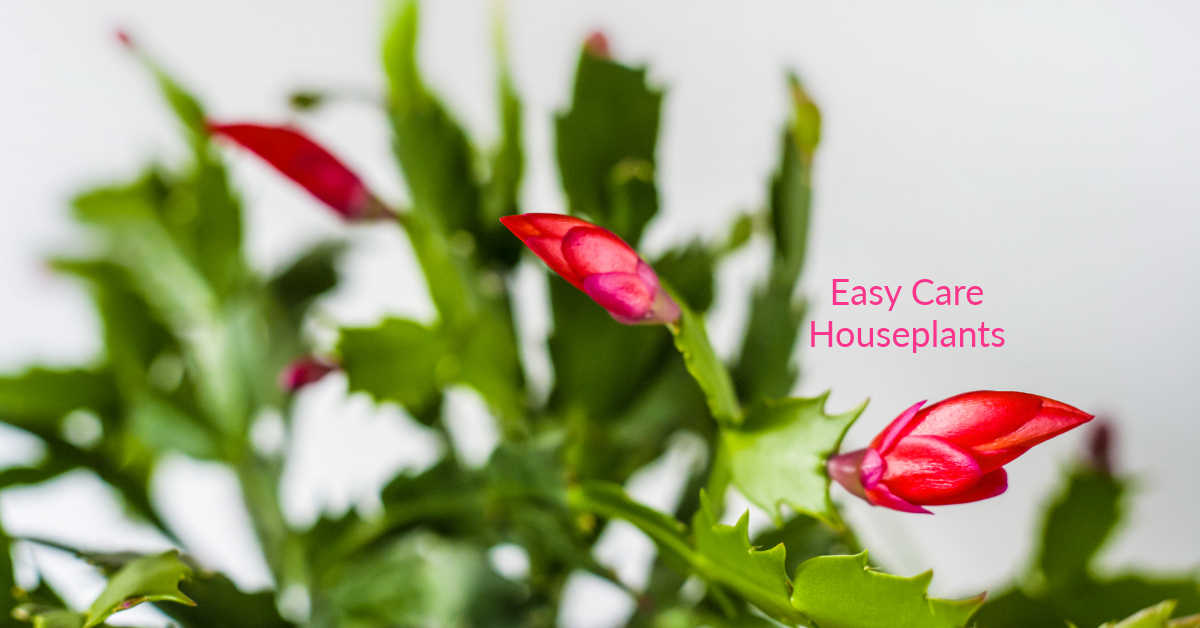
Thanksgiving Cactus are popular plants and among the most commonly misidentified houseplants. Once you know what to look for, it’s easy to tell Thanksgiving Cactus apart from other holiday cactus. Thanksgiving Cactus care is generally similar to that of other holiday cacti. Learning what these plants need drastically increases the odds of your plant blooming and putting on a lovely display.
Schlumbergera truncata Background
This trailing epiphyte is found in southeast Brazil’s tropical and subtropical rainforests. Its botanical name is Schlumbergera truncata, and it’s closely related to the Christmas Cactus (Schlumbergera buckleyi). You may see this plant identified as Zygocactus truncata. The genus was previously Zygocactus, but it was later changed to Schlumbergera in honor of the botanist credited with developing the plant.

The common name, Thanksgiving Cactus, is due to the time of year this plant typically blooms. You may also see this plant identified as crab cactus, holiday cactus, false Christmas Cactus, perhaps the most depressing name ever, or using the general catch-all name of Christmas cactus.
This plant has flat leaf-like segments that are actually stems, known as cladodes. Stems emerge from the soil and grow new segments or cladodes at the ends. This plant has an upright, arching growth habit. Healthy mature plants will develop branches with multiple cladodes emerging from a single stem, giving the plant a full appearance.
One of These Things is Not Like the Other
Thanksgiving Cactus are easy to identify based on the shape of the cladodes. The flat segments have pointy spikes or teeth along the edges. The points are not sharp, like the spines of most desert cacti, but they simply have a pointed shape. Each symmetrical stem segment can have two to four points per side. New cladodes have pronounced spikes that may soften and form a more rounded appearance with age. Look to the most recent growth on the ends of the stems to identify holiday cactus.
Thanksgiving Cactus Light Needs
In nature, the Thanksgiving Cactus grows on trees in or just below the canopy and receives dappled sunlight. As a houseplant, medium to bright, indirect sunlight is preferred. Direct light will burn the greenery, insufficient light will stunt growth, and is a guarantee the plant will not bloom. Be mindful of sunlight if you want your plant to flower.

How Often to Water Thanksgiving Cactus
Keep the soil moist but not soggy. Remember, these plants are epiphytic in their natural habitat, so they cannot handle overly wet conditions and standing water. Drainage is vital, but they still like dampness. Water your Thanksgiving Cactus when the top couple of inches of potting soil are dry.
Always plant Schlumbergera truncata in a container with drainage and use moist soil that sheds excess moisture. Take your Thanksgiving Cactus care to the next level using a rich, airy potting mix with an acidic pH.
Temperature and Humidity for Schlumbergera truncata
Warm, humid conditions are ideal for this tropical native. Most homes are warm enough but keep the plant away from drafty windows, exterior doors, and cooling or heating vents. Temperatures around 65° to 70° F are perfect; however, slightly lower temperatures at specific times of the year help the plant bloom.
Aim for humidity around 50%. This plant will be happy in above-average humidity, but low humidity is unacceptable. Group plants together or use a pebble tray if you live in an arid climate.
Thanksgiving Cactus Fertilizer
Routine fertilizing keeps the plant healthy and growing and increases the odds of it flowering. Feed Thanksgiving Cactus every two weeks using a balanced, water-soluble fertilizer. Start your fertilizing routine in the spring, when new growth appears, and continue through fall, when the flowers fade and drop. Give the plant a break during the winter and start all over again in the spring.
Additional Plant Care
Prune the Thanksgiving Cactus in the spring when new growth starts to appear. Trimming stems promotes branching, resulting in a full plant. Another benefit of pruning is that the more branches a plant has, the more flowers it can produce. A dense plant is lovely on its own, but a dense flowering plant is pretty special.
Save the pieces removed during pruning to propagate. Thanksgiving Cactus cuttings are easy to propagate in soil. Let the cuttings dry or callous for a day before potting in soil. Rooted plants make excellent host gifts during the holidays, or you can plant established cuttings in the same pot as the parent plant for a large and full specimen.

When to Repot Thanksgiving Cactus
Schlumbergera truncata is utterly content with staying put for years at a time. These plants have delicate root systems, and less is more when repotting Thanksgiving Cactus. That said, repotting is an opportunity to give the plant fresh soil, which is beneficial.
How to Get Thanksgiving Cactus to Bloom
The unique cladodes or segments make Schlumbergera truncata a stunning houseplant, but the flowers certainly add to its appeal. Thanksgiving Cactus bloom in late fall through early winter. Healthy, happy plants may bloom again in the spring. The second flush of flowers is much less intense but still lovely.
The steps to get these plants to bloom are the same regardless of which holiday cactus you have, but the timing fluctuates depending on the type of plant. Your Thanksgiving Cactus care needs to be top-level for the plant to bloom, so make sure your care regime is dialed in if you want to enjoy the charming, tiered flowers.
Is Thanksgiving Cactus Pet Friendly?
Schlumbergera truncata is non-toxic and safe for homes with pets. Consider a high shelf if you have little ones or pets with a curious nature and a tendency to handle plants, but rest easy knowing that if the plant is handled or eaten, it will not cause harm.
Thanksgiving Cactus Care Tips
Site selection is pivotal because a warm, humid, sunny spot will do all the hard work. If you choose a good location, the Thanksgiving Cactus is a laid-back plant that will thrive when mostly left alone. Give this plant a sunny tabletop, stand, or hanger, and enjoy the arching branches and beautiful flowers.