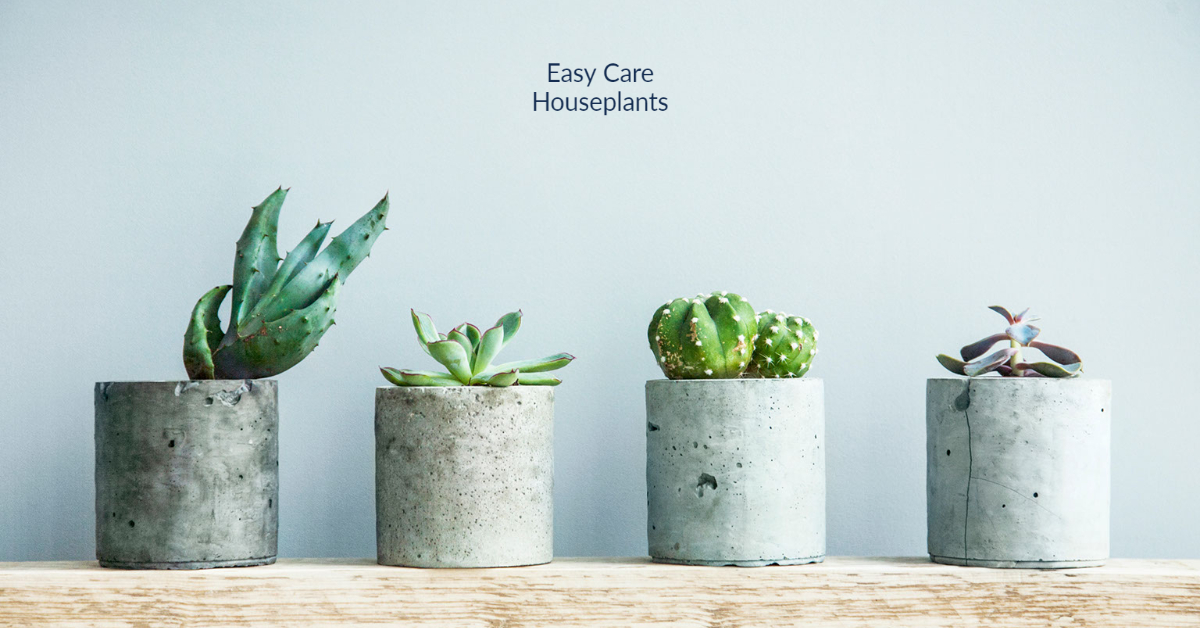
Succulents are easy-care houseplants found in nature throughout the world. These plants come in all shapes and sizes, and most are desert-dwelling plants, like cacti, but some, like Christmas cacti and hoyas, are tropical and cannot handle harsh desert conditions.
Succulents are not a category on taxonomy charts. There is no order or family known as succulent. The defining trait of succulent plants is that they store water, so they maintain their own reserve that helps them survive drought-like conditions. This ability to go for a while without water is also what makes succulent care so easy and why they have earned the distinction of being easy-to-maintain houseplants.

Types of Succulents
Since succulents can be found across 60 different plant families, there are a lot of varieties within this grouping. Drought tolerance is the main commonality, but succulent care is rather consistent across the various cultivars. Some of the more popular types of succulent plants include:
- Aloe
- Burro’s Tail (Sedum morganianum)
- Cactus
- Christmas Cactus (Schlumbergera x buckleyi)
- Echeveria
- Euphorbia trigona
- Hoya
- Jade Plant (Crassula ovata)
- Kalanchoe
- Peperomia
- Ponytail Palm (Beaucarnea recurvata)
- Snake Plant
- String of Hearts (Ceropegia woodii)
- String of Pearls (Senecio rowleyanus)
- ZZ Plant (Zamioculcas zamiifolia)
Succulent Light Requirements
Succulent plants need about six hours of daily sunlight, ideally bright indirect light. Some succulents can live in medium or low light, but not all. Most succulents are slow growers, so their natural tendency, coupled with reduced light levels, means the plant will grow even more slowly. Don’t be discouraged from placing a snake plant in a low-light corner, but just know that it will not bulk up anytime soon.
Rotate the plant a quarter turn each time you water so each side receives even light. Rotating plants keeps them upright and prevents leaning.

How Often to Water Succulents
Succulent care is known as being easy, but if anything is challenging, it’s watering. Most of these plants naturally live in dry, arid environments and have evolved to go for extended periods without water. Succulents with thick, fleshy foliage or rhizomes store water to stay hydrated during dry spells. It’s essential to let the plant work through its water reserve before replenishing it, or the plant will become overwatered.
Wait until the soil is completely dry before watering a succulent, but saturate the soil when it is time to water. Allow extra water to drain, and empty the cover pot or saucer. Many succulents are good candidates for bottom watering. Scale back and water less often when the plant is dormant.
Best Soil for Succulents
Well-drained soil is essential for succulent care. These are forgiving plants that can deal with a lot, but consistently wet roots are a deal breaker. The ideal soil will have sand or perlite and allow water to drain right through. Most succulents are not heavy feeders, so a high organic content is unnecessary. Premade potting mixes for succulents or cacti are acceptable.
Temperature for Succulents
Most succulents can handle cold temperatures but don’t like to, so keep these plants warm. Temperatures between 70° and 85° F are ideal for succulent care, but don’t let them experience anything below 50° F.

Succulent Humidity
Humidity is usually a non-issue for succulents. These plants are well-suited to average or low humidity, but they can sometimes deal with increased humidity. Avoid placing most succulents in naturally humid areas like kitchens or bathrooms. Save those spots for prayer plants which will appreciate a steamy shower.
Succulent Fertilizer
Fertilizing is a topic that varies greatly when it comes to succulent care. Plants like cacti and echeveria only need light fertilizer applications once or twice yearly. Feeding these plants too often can have the opposite effect and may cause the plants to grow spindly and weak, so resist the urge to overfeed.
Plants like hoyas, pepperomias, and holiday cacti can handle more consistent feedings during the spring and summer. Use a balanced fertilizer or a product specifically designed for the plant genus.
Pruning Succulents
Pruning depends on the type of succulent. Plants like desert cacti need little, if any, pruning, while holiday cacti or hoya can use a trim to have a more balanced look. Always use clean, sharp shears when pruning a plant.

When to Repot Succulents
Repot succulent plants every few years. Most are content to be slightly rootbound, but an upgrade is needed eventually. Select a new pot that is one to two inches larger and has drainage.
Succulent Propagation
Expand your succulent collection by taking cuttings or dividing existing plants. Cuttings are a great way to use pieces removed during pruning. Newly propagated plants also make wonderful gifts.
Are Succulents Pet Friendly?
Most succulents are pet-friendly, but not all. ZZ plants and kalanchoe are examples of succulents that are unsafe for pets. If you have pets, research your specific plant to determine if it is toxic to animals before introducing it into your home.

Succulent Styling Tips
Most succulents have a distinctive look, and the best way to style a plant is to let it do what it naturally does. Give a hoya or burrow’s tail a high perch so the foliage can trail or group together cacti or echeveria for a curated look.
Succulent Care Tips
So many different plants meet the requirements to be succulents. Succulent care is generally consistent, but sometimes you want to default to the specific genus or cultivar to ensure you are providing the best possible care. Whatever succulents you have, they are easy to grow and thrive with a small degree of neglect.