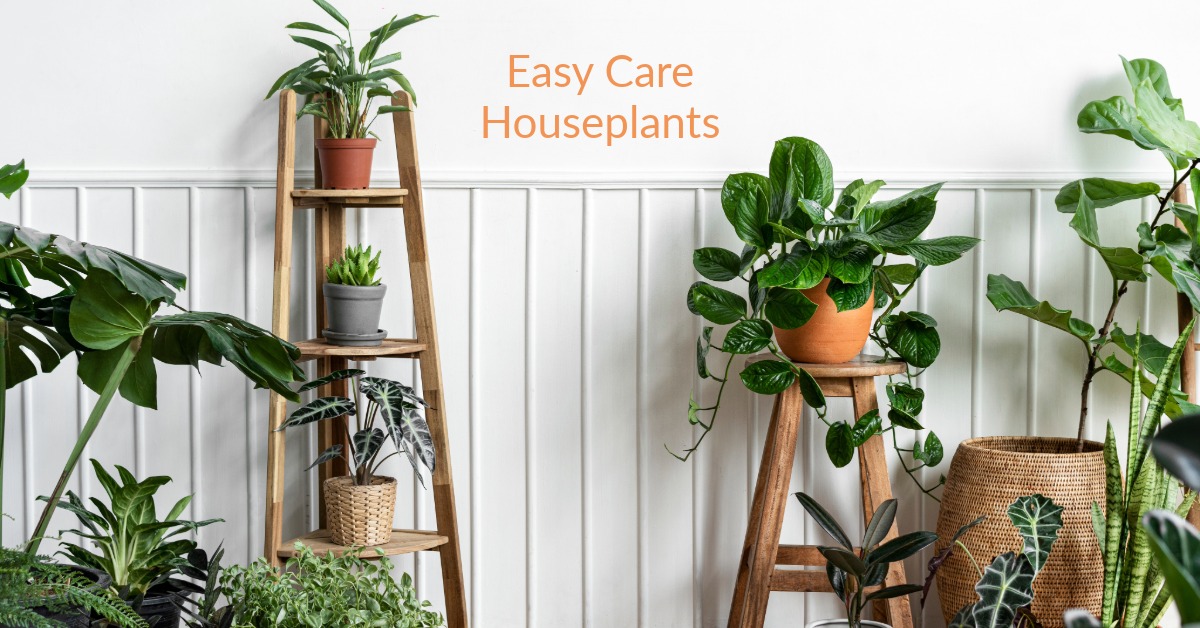
As summer fades into fall, your houseplants may need a little extra attention to ensure they’re ready for winter. Shorter days, cooler temperatures, lower humidity, and changes in your home’s environment can all affect how your plants grow. Fall is the perfect time to take stock of your indoor plants and make a few adjustments before winter arrives. You don’t need to completely overhaul your plant-care routine. Often, small changes to watering, lighting, humidity, and fertilizing can help your plants transition comfortably into the cooler months.
Here are some simple ways to prepare houseplants for fall.
1. Make a Plan to Bring Outdoor Houseplants Inside
If you’ve moved houseplants outdoors for the summer, don’t wait until temperatures suddenly drop to bring them back inside. Cold temperatures can damage many tropical houseplants, and some are especially sensitive to sudden temperature changes. Check the forecast and plan to bring plants indoors before nighttime temperatures become consistently chilly.
2. Have a Pest Control Plan
Even if you don’t see any signs of pests, spray the plants with horticultural oil a few days before you plan to move them. If there are pests you haven’t noticed, this will clear things up.
Still check for pests before bringing them inside. Look underneath leaves, around stems, and along the soil surface. This is also a good opportunity to remove dead leaves and trim away damaged growth.
If space allows, quarantine outdoor plants for the first few weeks inside. Monitor them closely for signs of pests before placing them alongside the rest of your collection.
3. Adjust Your Watering Routine
Your plants will not need as much water in fall as they did during the summer, so adjust how often you water. As temperatures cool and daylight decreases, many houseplants slow their growth. As a result, plants won’t soak up as much water. Indoor conditions (e.g., lower humidity and less wind) also come into play, so they affect how often the plant needs water.
Pay attention to the soil and the individual plant as you prepare houseplants for fall. Before watering, check whether the plant actually needs moisture. A plant that was happy with frequent watering during the bright summer months may need much more time between waterings in fall.
4. Pay Attention to Changing Light
One of the biggest changes your plants experience in fall is decreasing daylight. The sun sits lower in the sky, daylight hours become shorter, and the amount of usable light entering your home can change considerably. A plant that received plenty of light in a bright summer window may begin struggling as fall progresses.
Watch for signs of insufficient light, such as:
- Leggy growth
- Smaller new leaves
- Loss of variegation
If needed, move plants closer to a bright window or supplement natural light with a grow light. You may also want to clean your windows. Dust and dirt can impact how much light reaches your plants. Cleaning your windows helps to ensure that as much sunlight as possible reaches your plants. While you’re at it, clean your plants if it’s been a while.
5. Move Plants Away From Drafts
As temperatures drop, your home’s heat will kick on. Before that happens, check where your plants are positioned. Plants sitting directly beside heating vents or radiators may experience temperature fluctuations that can stress them. While houseplants generally like warmth, direct warm air blowing or radiating on them can be problematic. Chilly drafts either from windows or exterior doors are equally troubling.
Keep houseplants in locations with relatively stable temperatures. Heat from sunlight is fine, at least for houseplants that thrive in bright sunlight.
6. Increase Humidity if Necessary
Indoor air often becomes drier once the heat comes on. Many tropical houseplants prefer higher humidity than the average home provides, and dry air can cause brown leaf edges, leaf curling, and general stress. Increase the dampness in the air if your home becomes particularly dry.
7. Adjust Your Fertilizing Routine
Spring and summer are when houseplants grow the most. As growth slows in fall, fertilizer needs may change in response. There’s no universal rule that every houseplant must stop receiving fertilizer during the fall and winter. Some plants continue growing actively indoors throughout colder months, especially when they receive plenty of light.
However, if your plant’s growth has slowed significantly, heavy fertilizing may be unnecessary. Pay attention to the plant rather than following a rigid schedule. If growth has slowed, you may need to reduce or pause fertilizing until the plant becomes more active again.
8. Repot Only When Necessary
You may notice plants fitting tightly in their pots after a busy growing season. Fall can be a convenient time to evaluate your plants, but it isn’t always the ideal time to repot everything. Repotting can stress a plant, and many houseplants naturally slow their growth during the cooler, darker months.
If a plant is severely root-bound, has drainage problems, or needs fresh soil for another reason, repotting may still be necessary as you prepare houseplants for fall. Otherwise, wait until spring, when many plants enter a period of more active growth.
9. Rotate Your Plants
Plants may lean toward windows to get as much sunlight as possible, especially when there is less light available. Rotating your plants periodically helps them grow more evenly and prevents one side from getting significantly more light than the other.
10. Give Your Plants Time to Adjust
The change of seasons means your houseplant has to adjust to many changes. Give your houseplants time to adjust, but keep an eye on them. Watch for changes in growth, and adjust your care if you notice the plants struggling.
Prepare Houseplants for Fall
Preparing houseplants for fall doesn’t have to be complicated. The biggest priorities are light, water, temperature, humidity, and pests. A little fall prep and planning can go a long way toward keeping your houseplants healthy through the darker, colder months and ready to burst into new growth when spring returns.