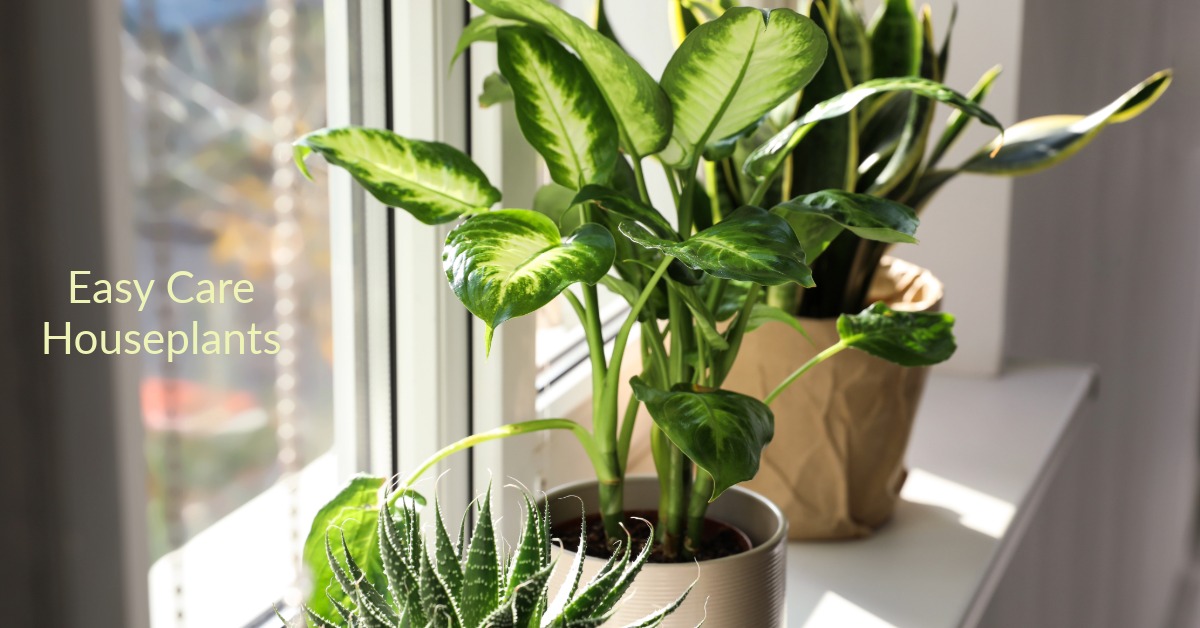
North-facing windows can be tricky for houseplants. Northern windows typically get less direct sunlight than south-, east-, or west-facing windows, which isn’t ideal for plants that love bright light. A north-facing window can present a challenge, but many popular houseplants thrive in the softer, lower-intensity light. The key is choosing plants that naturally tolerate lower light and understanding that low light doesn’t mean no light. Here are some of the best houseplants for a north-facing window.
True North
A north-facing window receives the least amount of direct sunlight in the Northern Hemisphere. It all comes down to the sun’s position throughout the day. Instead of strong rays pouring through the glass, houseplants near these windows typically receive indirect, diffused light.
Other factors, like window size, trees or buildings outside the window, distance from the window, and the time of year, directly affect how much sunlight enters your home. Understanding how much sunlight you receive, and how it affects your space, helps you make informed choices when caring for houseplants.
1. Snake Plant
Snake plants are the logical first choice for this list. These plants are among the most forgiving you can grow, making them a great choice for a north-facing window.
They tolerate relatively low light and don’t need frequent watering. Their upright, architectural leaves also make them an attractive choice when you want a plant that adds visual interest without taking up much horizontal space.
2. ZZ Plant
The ZZ plant is incredibly adaptable. A north-facing window is the least of this plant’s concerns. Thick, glossy leaves look lush even in relatively modest light. A north-facing window can be a great spot, especially if it provides consistent indirect light.
3. Pothos
Pothos are vining plants that are great for beginners. These easy care houseplants also work well in a variety of indoor conditions. It tolerates lower light, though growth may slow. Choose a non-variegated cultivar, as highly variegated varieties may lose some coloration in low light.
4. Heartleaf Philodendron
Heartleaf philodendron is another adaptable plant that can handle the softer light of a north-facing window. Its heart-shaped leaves and trailing growth habit make it particularly attractive in hanging baskets or on shelves.
Like pothos, it may grow more slowly in lower light, but that isn’t necessarily a problem. If the plant produces healthy leaves and doesn’t become excessively stretched or leggy, its location may be perfectly suitable.
5. Cast Iron Plant
The name says it all. Cast iron plants tolerate less-than-perfect indoor conditions, including lower light. Their broad, dark green leaves can bring a tropical feel to a room without requiring a bright, sunny window. They tend to grow slowly, so don’t expect dramatic changes in the short term.
6. Aglaonema
Chinese evergreen, or Aglaonema, is a popular houseplant for lower-light environments. Many varieties are available, with foliage ranging from deep green to patterned and silvery combinations. Darker green varieties are generally better suited to lower-light conditions, while highly variegated varieties may need more light to maintain their coloring. A north-facing window can provide a comfortable environment for many Aglaonema varieties.
7. Peace Lily
Peace lilies are often recommended for lower-light indoor spaces, although they generally perform best with bright, indirect light rather than extremely dim conditions. Near a north-facing window, a peace lily may appreciate consistent indirect light without harsh direct sun.
8. Spider Plant
Spider plants are adaptable and can do well in moderate to bright indirect light. A north-facing window can work, especially if it’s large and unobstructed. If your spider plant’s growth becomes thin or its leaves lose their characteristic appearance, it may need a brighter location.
9. Parlor Palm
Parlor palms thrive in bright, indirect light but can call a low-light environment home. Keep the soil from getting too wet, and avoid placing the palm directly against a cold window in winter.
10. Ferns
Several types of ferns appreciate the indirect light a north-facing window provides. Boston ferns and other indoor ferns generally prefer evenly moist soil and higher humidity, so they’re best for plant owners who don’t mind giving their plants a little extra attention. A bathroom with a north-facing window can be an especially good spot if it gets enough natural light and humidity.
The Fine Print
Not every north-facing window provides the same amount of light. Before choosing a plant, look at your space. Be ready to make adjustments if your plant shows signs of decline after a couple of weeks. Also, remember to check the soil before watering. Less sunlight means the soil dries more slowly, so the plant needs water less often.