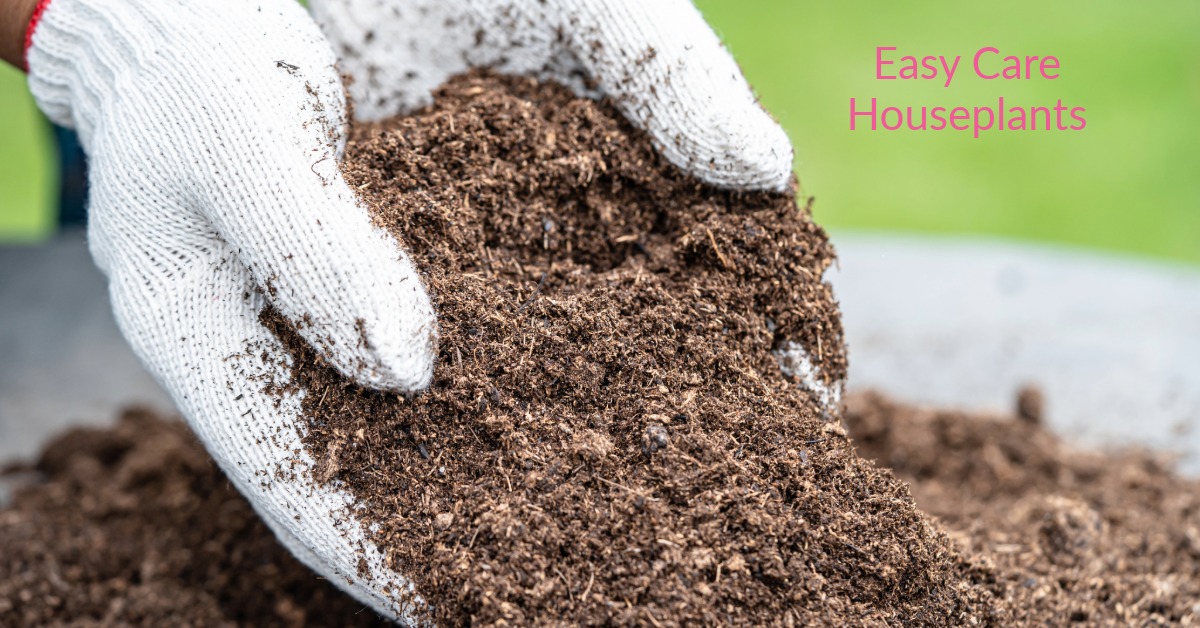
Peat moss is a popular gardening medium. This material is made from partially decomposed plant matter that forms over thousands of years in wetlands called peat bogs. Most peat sold for gardening comes from sphagnum moss harvested in northern regions such as Canada and parts of Europe. Plant owners often use peat to improve soil texture, retain moisture, and help plants establish healthy root systems. It is commonly found in potting mixes, seed-starting blends, and garden soil amendments.
How It Forms
Peat moss is a long-game, and it develops very slowly in bog environments where waterlogged conditions limit decomposition. Over time, layers of mosses and other organic materials accumulate and compress into peat deposits. Because the process takes centuries, peat is considered a nonrenewable resource on a human timescale.
What Does Peat Look Like?
Peat is usually dark brown in color with a fibrous texture. Dry peat feels soft and crumbly, while wet peat moss becomes spongy and absorbent. You can find peat in compressed bales at garden centers and home improvement stores.
Benefits of Peat Moss
There are several traits that make peat useful for gardening and houseplants.
Excellent Moisture Retention
One of the biggest advantages of peat is its ability to hold water. It can absorb many times its weight in moisture, helping soil stay damp longer between waterings. This is especially helpful for container plants, seed trays, and hanging baskets that dry out quickly.
Improves Soil Texture
The fibrous texture of peat can help to loosen dense or compacted soils. This naturally improves both aeration and drainage while still retaining moisture. In sandy soils, it helps prevent water from draining too quickly.
Drawbacks of Peat Moss
Despite its benefits, peat moss also has some disadvantages gardeners should consider.
Environmental Concerns
Harvesting peat can damage peat bog ecosystems, which store large amounts of carbon and support unique wildlife habitats. Since peat bogs regenerate very slowly, sustainability has become a major concern. Many gardeners now look for peat-free alternatives to reduce environmental impact.
Can Become Hydrophobic
When peat dries out completely, it can repel water rather than absorb it. This makes rewetting difficult unless water is added gradually.
Naturally Acidic
Peat moss has a low pH, meaning it is acidic. While some acid-loving plants benefit from this, it may not be ideal for all plants unless balanced with lime or other soil amendments.
Common Uses for Peat
Peat moss is widely used in both indoor and outdoor gardening.
Common applications include:
- Mixing into potting soil
- Starting seeds
- Improving garden beds
- Retaining moisture in containers
- Growing acid-loving plants like blueberries and azaleas
- Rooting cuttings
Alternatives
Because of sustainability concerns, many gardeners choose alternatives that provide similar benefits.
Popular peat substitutes include:
- Coco coir
- Compost
- Pine bark fines
- Leaf mold
How to Use Peat Moss
Peat moss is often used to amend soil, or rather, it’s mixed into it. Using peat on its own can be harmful due to its acidic pH. For houseplants, peat is usually combined with perlite, compost, or bark to create balanced potting mixes. Before using dry peat, moisten it so it mixes more evenly with soil.
Understanding Peat Moss
Peat moss has been a staple in plant care for decades because of its ability to improve moisture retention and soil structure. However, growing environmental concerns have encouraged many gardeners to seek out more sustainable alternatives like coco coir and compost. Understanding both the benefits and drawbacks of peat can help gardeners decide whether it is the right choice for their plants and gardening practices.