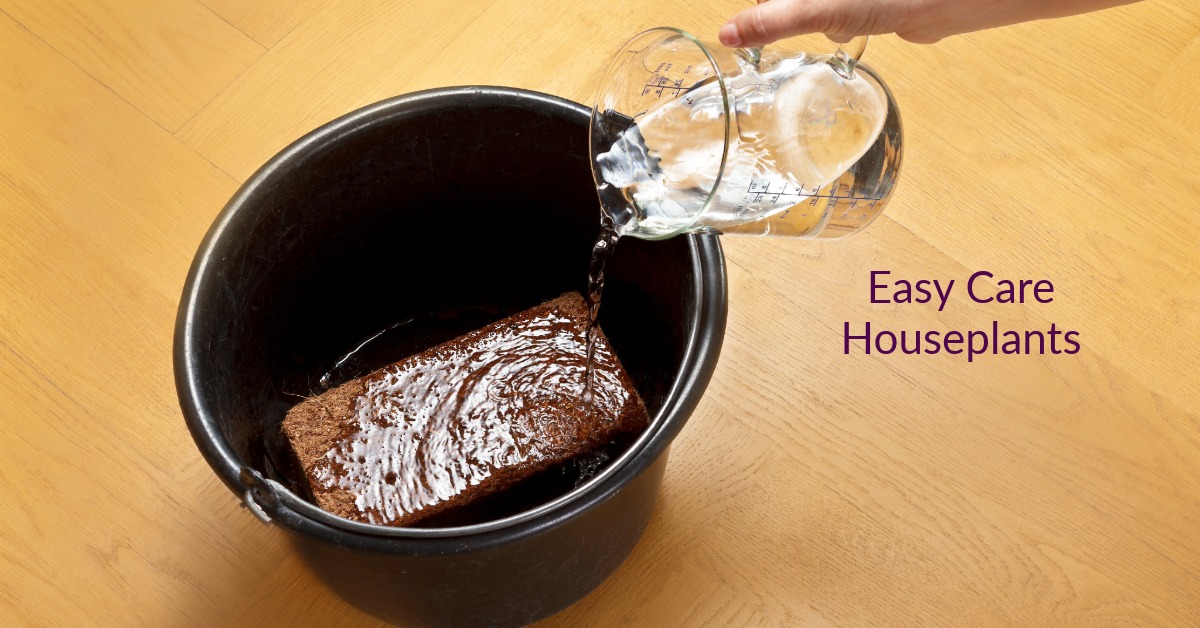
Coco coir, sometimes simply called coir, is a natural growing medium made from the fibrous husks of coconuts. A waste product of the coconut industry, these fibers are now widely used in gardening, hydroponics, and commercial agriculture because of their excellent water retention, aeration, and sustainability. Coir works great on its own or blended into potting mixes to improve soil structure and moisture balance.
Where Does Coco Coir Come From?
Most of the world’s coir comes from India. Coco coir is the outer shell, or husk, of coconuts. After coconuts are harvested for food and oil production, the husks are processed to separate the fibers and pith. The materials undergo cleaning and sorting, and they are ready for gardening use.
Coir is generally available in several forms:
- Coco peat or coco pith: Fine, soil-like particles that hold moisture well
- Coco fibers: Stringy fibers that improve airflow and drainage
- Coco chips: Chunkier pieces that create aeration and structure
Many gardening products combine all three forms for balanced performance.
Benefits of Coco Coir
Coco coir has become popular because it offers several advantages over traditional soil amendments.
Excellent Water Retention
One of coir’s biggest benefits is its ability to retain water. Coir can absorb up to 10 times its weight in moisture while still maintaining airflow around plant roots. This trait helps plants stay hydrated longer between waterings.
Good Drainage and Aeration
Even though it retains moisture well, coco coir does not become dense or compacted easily. The fibers create air pockets, allowing air to circulate and reducing the risk of root rot.
Environmental Impact
Coconuts are harvested continuously, so there is a steady supply of coir. Using coco coir helps recycle agricultural byproducts. While it’s generally accepted that coir is more environmentally friendly than peat moss, there are concerns about just how sustainable coir really is.
Neutral pH
Coir usually has a near-neutral pH, making it suitable for a wide variety of plants. It’s easy to amend this substrate to better serve a specific type of plant.
Common Uses for Coir
Coco coir is versatile. Many commercial potting soils include coir to improve texture and moisture retention. Plant owners often use it for custom blends.
Are There Any Drawbacks?
While coco coir is highly beneficial, there are a few things to keep in mind. Some lower-quality coir products may contain excess salts from processing near coastal areas. High-quality brands typically rinse and buffer the material before packaging. Coir also contains very few nutrients on its own. Plants growing in pure coir usually require regular fertilization to thrive.
How to Use Coco Coir
Most coir products come compressed into bricks or blocks. The coir is shipped dry, because it is lighter and easier to manage in that form. Once purchased, you can rehydrate it when you’re ready to use it. Follow the instructions on the packaging when rehydrating a block of coir, but generally add water, wait, and fluff the material. Once expanded, mix coir into the soil or use it directly for planting. A common homemade potting mix includes:
- 50% coco coir
- 30% compost
- 20% perlite
This mix is lightweight, well-draining, and suitable for many houseplants and container gardens.