While water, light, and soil are vital for houseplants, there is one often-overlooked factor. Good air circulation, or airflow, helps plants stay dry, resist disease, and grow stronger stems and leaves. Whether you keep a few pothos on a shelf or a room full of tropical plants, understanding why airflow is important for houseplants can make a noticeable difference in plant health.
Understanding Airflow
Airflow, in terms of houseplant care, is simply the movement of air around your plants. Outdoors, breezes and wind gusts help dry leaves, regulate humidity, and provide a host of helpful things necessary for a plant to thrive. Indoors, air can become stagnant or still, especially in rooms with closed windows, crowded plants, or poor ventilation. Limited air circulation can be trouble for houseplants.
How Airflow Helps Houseplants
As with all things plant care-related, moderation is key, but here are some ways airflow is important for houseplants.
Prevents Excess Moisture Buildup
After watering, moisture can collect around leaves and in the soil. If the air is still, water may remain on plant surfaces for too long. This damp environment can lead to fungal problems such as powdery mildew, leaf spot, and rot.
Helps Control Humidity
Many tropical houseplants enjoy moderate humidity; however, too much or constant humidity can be problematic. Finding that ideal balance may take some trial and error, but you can do it. Airflow helps balance naturally high humidity levels by preventing moisture from becoming trapped around foliage, allowing plants to benefit from increased dampness without the risk of harm.
Reduces the Risk of Pests
Many common houseplant pests, including fungus gnats, spider mites, and mealybugs, thrive in warm, stagnant conditions. Better air circulation makes the environment less favorable for pests and helps keep leaves dry and healthy.
Supports Stronger Growth
Gentle airflow is important for houseplants because it can encourage plants to develop sturdier stems. In nature, plants exposed to breezes often grow stronger because they adapt to slight movement. Indoors, a light current of air can help mimic these natural conditions, which will set your plant up for stronger stems that can support bigger leaves.
Improves Gas Exchange
Plants need carbon dioxide for photosynthesis, a natural process that produces oxygen and water vapor. Fresh, moving air helps replenish the carbon dioxide around leaves by bringing it directly to the plant while whisking away moisture.
Signs Your Houseplants May Need Better Airflow
Your houseplant will let you know if it needs improved airflow. Mold, mildew, or fungus is a clear sign that the air around your plant is stagnant. Pests, especially fungus gnats, are another definite sign. Yellow spots, brown edges, and leaf drop can be clues. Lastly, if the room feels stuffy and humid to you, it likely feels that way for your houseplants.
Simple ways to improve airflow indoors
Improving air circulation is easy enough. You may be able to improve the situation with one change, or it may take several, so be patient and open to trying various solutions.
Space Plants Apart
Avoid placing plants so close together that they’re pushed up against one another and their leaves touch constantly. Leaving a little space between pots allows air to move around. You can still group plants for a visual impact or to create a microclimate, but give them some room.
Use a Fan
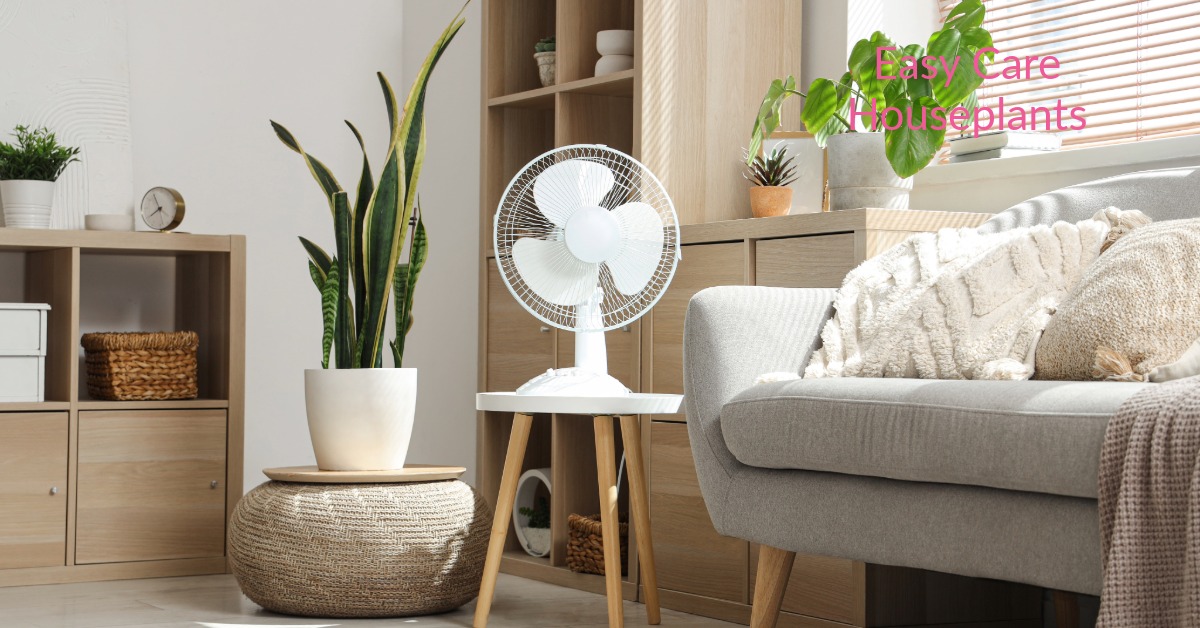
A small fan can circulate air around houseplants and do a lot of good. The goal is to keep the air gently moving and swirling around your plants. An oscillating fan can cover a large area, but keep it on a low setting and position it back from the plants so it can cover a broad area. Avoid blowing air directly on delicate foliage. Strong drafts can dry them out and do more harm than good. Find what works best for your specific situation, so that you may need the fan for a limited time each day, or maybe just weekly.
Open Windows When Possible
Fresh outdoor air can improve ventilation and essentially do the same thing as a fan. Even opening a window for a short time can help refresh the air around your plants. Clearly, this tip is only possible when the weather is agreeable, so while it’s helpful, it just isn’t always possible.
Avoid Overcrowded Corners
Plants placed in tight corners or against walls may receive less air circulation because there is less space for air to move around. Rotate plants occasionally to maximize air circulation, or relocate them to naturally breezier spots.
Monitor Watering Habits
Overwatering combined with poor airflow is trouble. These conditions are a common cause of root rot and fungal issues. Make sure pots have drainage holes, empty excess water from trays or cachepots, and allow the soil to dry appropriately between waterings.
Finding the Right Balance
While airflow is important, too much direct wind can stress houseplants. Keep plants clear of heating or cooling vents or strong fans. The goal is gentle circulation, not constant drafts.
Go with the Flow
Airflow is a simple but essential part of indoor plant care. By gently moving air around your houseplants, you can reduce disease risk, discourage pests, promote stronger growth, and create a healthier environment overall. A little attention to ventilation can help your plants thrive and keep your houseplants looking their best.