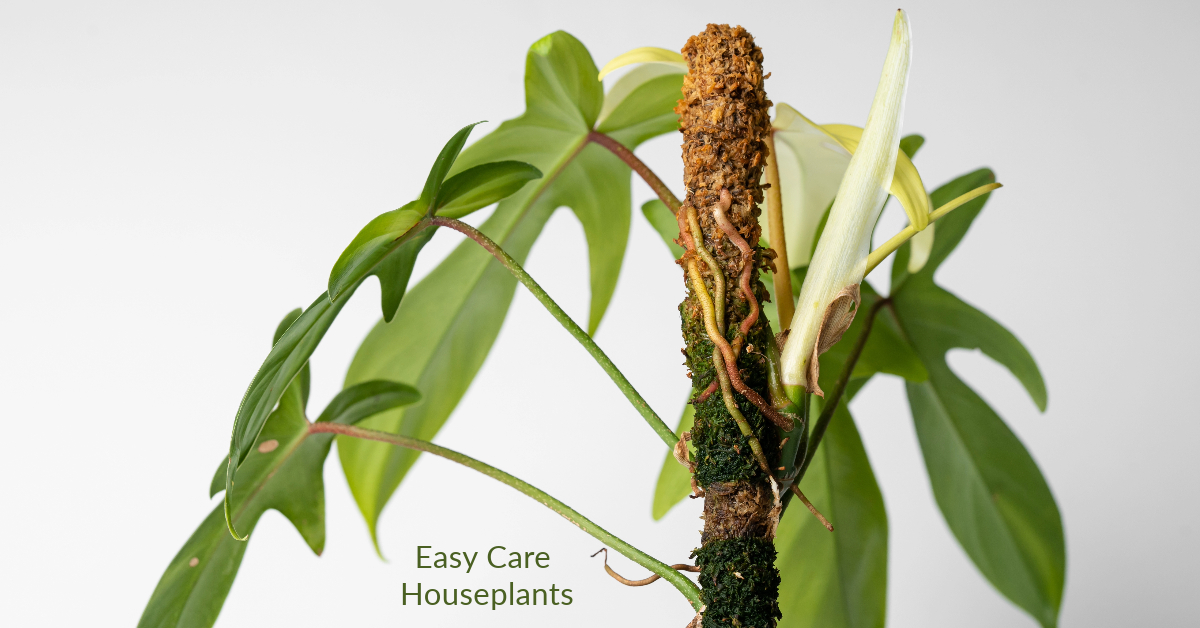
A lot of houseplants are epiphytes, so if you’re into plants, you’ve probably heard this term. Essentially, epiphytic plants have a unique ability to survive in their native habitats. Find out what makes some plants epiphytes, where they live, the advantage of this ability, and how it impacts houseplant care.
Epiphyte Basics
Epiphytes are plants that grow on other plants. Nearby plants are used as a support or trellis, and as epiphytes grow, they climb up the supporting plant, known as a phorophyte. Trees are often the support plant, but any plant with a sturdy structure makes a good phorophyte or trellis. Some epiphytic plants stay on a trunk, while some venture into the tree canopy. Holo-epiphytes exclusively live on a support plant and never touch the ground, while hemi-epiphytes live on another plant but will eventually set roots in the ground.

Epiphytic plants climb to get a good position and get up off the forest floor, where there is a lot of competition. By going up, they can often get more sunlight, which is necessary for photosynthesis. The plants can also soak up more humidity because they aren’t surrounded as closely by other plants. Lastly, going up high often protects them from foraging animals.
It’s important to note that epiphytes are not parasites. A parasite gets nutrients from a host and can harm and even kill the host. Epiphytes do not harm the host in most instances and only use it as a structure to climb.
The Significance of Support
A defining trait of epiphytic plants is that they grow on other plants. Plants that grow on rocks are known as lithophytes. Lithophytes are further broken down as epilithic, meaning they grow on the surface of rocks, or endolithic, meaning they grow in the crevices of rocks. While they are similar, and the goal is still to find the best position to thrive, lithophytes are different from epiphytes.

Skilled Climbers
Epiphytes use aerial roots to latch on or cling to the phorophyte or support plant. They have evolved to be less dependent on their soil roots, with some plants not using soil roots at all.
Epiphytic plants soak up much or all of the moisture they need from the air and thrive in increased humidity. These plants get nutrients from detritus, or decomposing organic matter, often from other epiphytic plants, found on the support plant.
Natural Habitat for Epiphytes
Epiphytes are found throughout the world, often in tropical climates. Any warm environment with increased humidity and plenty of tall trees to use as phorophytes is a good home for epiphytes. Rainforests are usually teeming with epiphytes.
Types of Epiphytes
All major plant families contain epiphytes. Sometimes, all of the plants in a family will climb other plants for survival, but sometimes, only some plants are epiphytic. Some of the most common epiphytic houseplants include:
- Anthurium
- Bromeliad
- Dischidia
- Epiphyllum
- Ferns – specifically Bird’s Nest Fern, Blue Star, and Staghorn Fern
- Holiday Cactus
- Hoya
- Lipstick Plant
- Monstera
- Pothos
- Philodendron
- Peperomia
- Orchid
- Tillandsia

How to Care for Epiphytic Houseplants
Understanding the background of a plant can help you provide the ideal care, but the type of care necessary depends on the specific plant. Epiphytes often prefer indirect sunlight and increased humidity, and they only need water when the roots have mostly dried out. Many epiphytic plants are good at climbing, so give them a trellis or moss pole and let them do their thing.
Keep these general guidelines in mind, but learn more about the needs of each species when providing plant care.