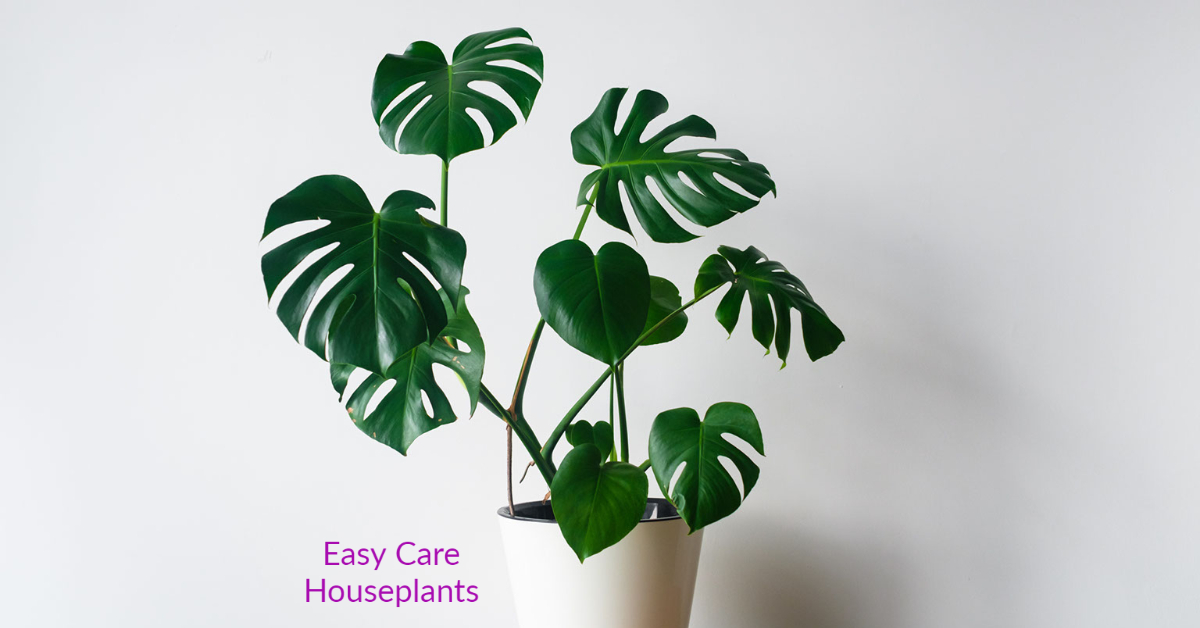
Monsteras are stunning tropical plants on the wish lists of many plant owners. Glossy leaves with unique patterns and, in some instances, the ability to grow rather large, make monsteras show-stoppers. Monsteras hail from the rainforests of Central America and are part of the Araceae family. These plants can be grown outdoors in warm climates but are commonly found as houseplants.
These fast-growing plants can have an upright or vining growth habit. While monsteras can vary in size, shape, and growth habits, they all require similar care. Learn more about monstera plant care so your collection thrives.
Types of Monstera
The Monstera deliciosa is the plant most people think of when they hear the name monstera. This towering plant produces large, heart-shaped leaves with deep splits, creating an instant tropical vibe. Most monstera cultivars have green, heart-shaped foliage, although there are some variegated varieties. Some of the more popular monsteras include:
- Monstera adansonii
- Monstera borsigiana
- Monstera deliciosa
- Monstera deliciosa albo variegata
- Monstera karstenianum (Peru)
- Monstera obliqua
- Monstera Peru
- Monstera silver

Honorable Mention
Many monstera plants feature unique foliage with splits, like the Monstera deliciosa, or holes or fenestrations, like the Monstera adansonii. Only mature plants feature these unique voids, while younger plants typically have full leaves. Monstera plants are distantly related to philodendrons. It can be difficult to tell an immature monstera from a young philodendron. For what it’s worth, a mature split-leaf philodendron resembles a monstera family member and is often classified as such.
Monstera Light Needs
Bright indirect light is ideal for most monstera cultivars. This leafy beauty prefers at least 6 hours of bright indirect sunlight daily. The more light the plants receive, the faster they grow, so if you want your monstera deliciosa to be large and in charge, find a spot near a south- or west-facing window for ideal monstera plant care.
Direct light will burn the leaves, and do more harm than good, so keep this plant back from a bright window. Upright monstera plants grow epiphytically in nature, so they spend their time growing along trees and other large plants but still under the tree canopy. Cultivars with heavily split or fenestrated foliage may burn more quickly, so keep them in a sunny spot, but monitor the plant and move it away from the light source if you notice sunburn.
Rotate your monstera plant to prevent it from reaching and leaning toward the light. Ensuring each side receives even sunlight allows for consistent growth.

How Often to Water Monstera Plants
Water monstera plants when the top few inches of soil are dry. This lush beauty likes to dry out between waterings. Too much water is damaging, so wait until the plant is thirsty before giving it a drink. When it is time to water, saturate the soil until excess water drains through the container. Growth may slow during the colder months as the plant is dormant. Monsteras need water less often when they are dormant.
Best Soil for Monstera Plants
Moist soil that promotes drainage is good for monsteras. Rich soil with high organic content or slow-release fertilizer will support new growth but is not mandatory. Like most plants, monsteras do not like wet feet, so well-drained soil and a container with drainage holes will help keep this plant happy and growing.
Temperature for Monstera Plants
All monstera varieties are tropical plants that prefer warm temperatures. Most homes are warm enough for these plants, as long as you keep the temperature between 65° to 75° F. Monsteras can make a lovely addition to a screen porch or outside space during the summer, but make sure the plant is shielded from direct sunlight, and the temperature is warm enough before moving the plant outside.
Monstera Humidity
High humidity is necessary for proper monstera plant care. These tropical plants thrive in 60% to 80% humidity. Monsteras may be able to handle average humidity, but low humidity will damage the foliage. The leaves will turn brown along the edges and possibly curl if the air is too dry.
Increase moisture in the air with a humidity tray or a humidifier to help your monstera look and feel its best.

Monstera Fertilizer
All monstera cultivars benefit from routine feedings, but the large varieties need a boost of nutrition. Bulking up quickly takes a lot out of the plants, and they need help to reach their full potential. Use a water-soluble balanced fertilizer for proper monstera plant care. Feed monstera plants once per month during the growing season. Stop fertilizing plants during the fall and winter when the plants are dormant.
Pruning Monstera
Prune monstera plants as needed. Dead or damaged growth can be removed or trim sections to propagate. Always use sharp, clean shears when pruning the plant. The monstera deliciosa has noticeable rope-like aerial roots that some plant owners consider an eyesore. Aerial roots can be removed. Removing aerial roots does not harm the plant and is a matter of visual preference. However, it will be an ongoing effort because the aerial roots will grow back.
When to Repot Monstera
Plan to repot monstera plants every two years. Fast-growing plants will outgrow their containers more quickly and may need an annual upgrade. It’s time to repot your monstera when the roots are peaking through the drainage holes in the pot or if growth has significantly slowed. Rootbound plants will stop growing. Repotting is an essential part of monstera plant care.
Select a new pot that is one to two inches larger, so the root system has room to grow. Drainage is essential so the root system can dry out.
Monstera Propagation
Monstera plants are easy to propagate, allowing you to expand your collection or keep your plant more manageable. You can propagate monstera plants by cuttings. Remove a section of the stem with at least a couple of leaves and growth nodes or aerial roots. Place the cut end and the nodes in water or soil. Roots should grow in a few weeks. Water-propagated cuttings can be moved to a container with potting mix when the roots are a couple of inches long. Water newly planted cuttings heavily for the first few weeks to help the plant transition. Once the cutting is rooted, scale back to a regular watering routine for established plants.

Do Monstera Bloom?
Monsteras grown in nature bloom, and the flowers give way to a sweet-tasting fruit. However, most houseplants do not bloom, and it is incredibly rare for houseplants to produce fruit. Monstera plants are typically grown indoors for their foliage.
Is Monstera Pet Friendly?
It’s disappointing, but monstera plants are not pet friendly. Whether you have a large floor plant or a climbing vine, all monsteras are toxic to pets. Make the right decision for your household, but know the safety implications.
Monstera Styling Tips
How your style your monstera depends on the type of plant you have. A large floor plant in a basket or natural fiber cover pot looks lovely in a sunny corner. Smaller monstera plants, especially the vining varieties, look best in a bold decorative pot. A macrame hanger or tall shelf are good locations for vining plants so that the foliage can drape and hang.
Monstera Plant Care Tips
The always popular monstera is a tropical houseplant that is well-loved and appreciated for its unique foliage. There are many different types of plants in this family, and they all have similar monstera plant care needs. Follow these tips to help your plant grow and flourish.