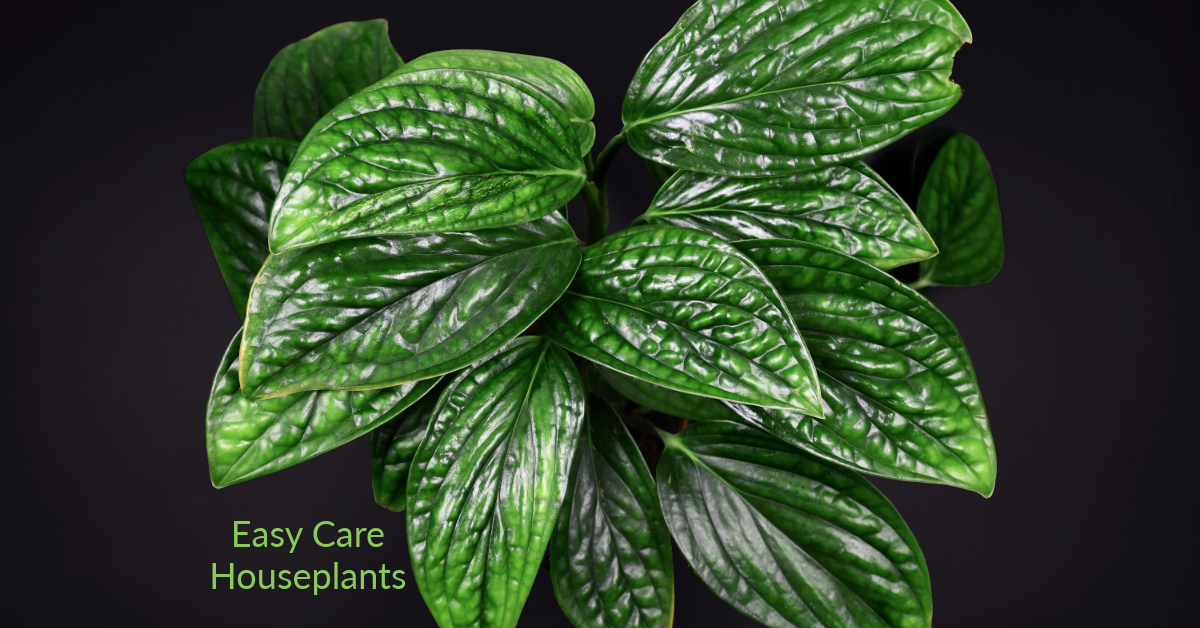
The name Monstera evokes images of highly fenestrated foliage, but that’s not what you get with the Monstera Peru. This lovely vining houseplant has striking leaves, but they are different from many other Monstera varieties. The Peru is even easier to maintain than other Monstera cultivars, and it’s a good pick if you want lush greenery without a big commitment or if you want to collect different types of Monsteras. Here’s everything you need to know about this plant and proper Monstera Peru care.
Plant Basics
Monstera karstenianum is the botanical name of this leafy plant, although it is more often known by the common name Monstera Peru. The Monstera karstenianum hails from tropical forests in Central and South America. The plant is an epiphyte and naturally climbs trees, trying to position itself in a sunny spot.
The thick, glossy foliage has ridges, creating deep valleys and giving the leaves a puckered texture. Dark green leaves have medium green accents, creating a subtle marbled effect. Variegated varieties have more intense colors. The Peru is not super rare, but it also isn’t easy to find. Variegated Peru plants are hard to find. A local plant store is your best bet to get this easy-care houseplant.
It’s easy to mistake the Peru for a Philodendron, which makes sense because these plants are distant cousins. The leaves are pointed but not rounded near the stem, like a Philodendron. The Peru is a slow-growing houseplant, but with proper Monstera Peru care and patience, this beauty can grow vines 6 to 8 feet long.
It’s also easy to mistake the name Monstera Peru for Monstera obliqua Peru. There is no mistaking these plants when you see them, but they have similar names.

Monstera Peru Care Needs
The Peru is versatile and can live in bright, indirect, or medium sunlight. Direct sunlight damages most houseplants, but the Peru is very susceptible to leaf scorch, so avoid a spot directly in a south-facing window. This plant is a slow grower, so it does not need increased sunlight like other members of the genus.
Moist, well-drained, airy soil with an acidic pH is perfect. Consider using an all-purpose soil and mixing in orchid bark and perlite for an easy custom blend. Temperatures between 65° and 85° F are comfortable. If you relocate this beauty to a covered porch or patio, wait until the temperature is above 50° F.
Water and Humidity Need for Monstera Karstenianum
Monstera houseplants like dampness, but too much water is harmful and causes root rot. Water the Monstera Peru when the top few inches of the soil are dry. Less light in the winter slows growth, meaning the plant uses less water, so scale back the watering frequency in the winter. The leaves will droop if the plant is too dry, while yellow leaf tips indicate too much water. Always remove standing water from the cachepot or saucer to ensure the moisture is not reabsorbed into the soil.
The Monstera Peru is generally laidback, but not when it comes to humidity. It prefers increased humidity between 50-60%. This plant can handle 40% humidity, but the more, the better. Crispy, brown edges occur when the air is too dry. Kitchens and bathrooms naturally have increased humidity, making them good locations. You can always bring in a humidifier or a pebble tray to give this plant the dampness it needs. Routinely rinse the plant to remove dust from the leaves and give it some increased moisture.
Monstera Peru Fertilizer
Monthly applications of balanced fertilizer when the plant is actively growing keep the Peru thriving and looking good.
Pruning Tips
Remove leggy or straggly growth to keep the plant trim and dense. Increase the sunlight if the plant is leggy. Even up uneven vines to create a consistent look. Hold onto those offcuts to propagate!

Monstera Peru Propagation Technique
Easily expand your Peru collection via stem cuttings. Select a cutting with a node or aerial root and propagate in water or soil.
When to Repot Monstera Peru
The Monstera Peru does not like to be rootbound, but it’s also a slow-growing houseplant, so plan to repot every two to three years.
Is Monstera Peru Pet Safe?
Like all plants in the Monstera genus, the Peru contains calcium oxalate crystals, so it is not pet-friendly. Eating or chewing on the plant is toxic and harmful to pets and humans.
Monstera Karstenianum Styling Tips
The Peru is a vining plant, so you can’t go wrong placing it on a high shelf or hanging planter. The reaching vines can climb, so give a tabletop plant a moss pole and let it do its thing.