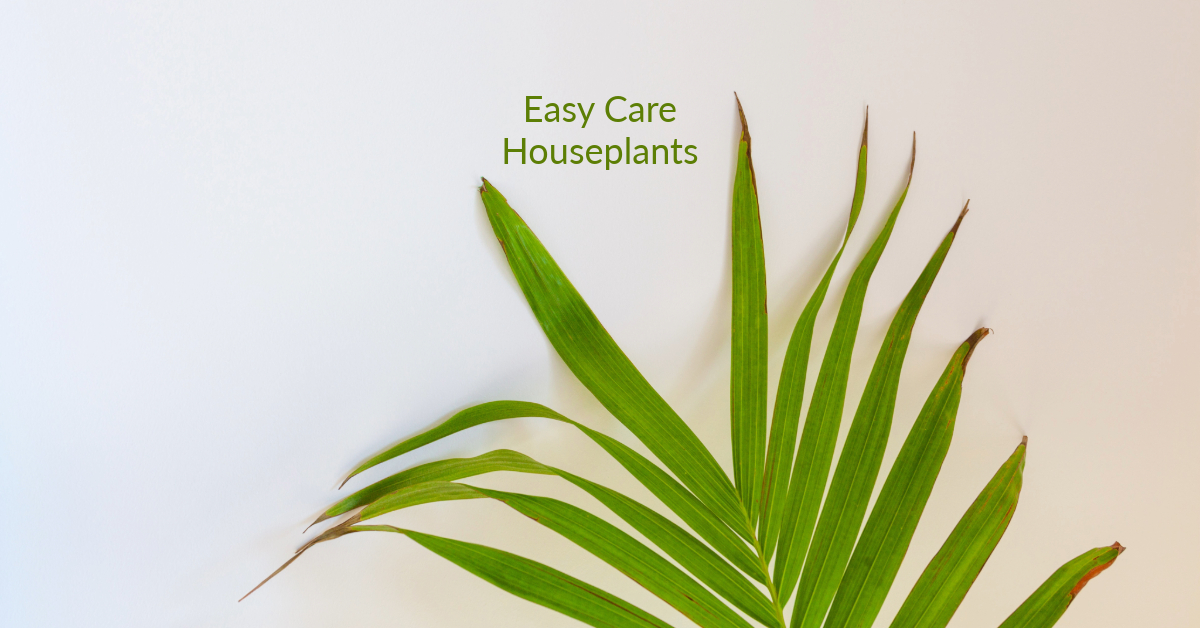
Majesty Palms add effortless style and texture to a space. These slow-growing houseplants have a stately appearance that invokes a professionally styled space. While these palms are somewhat demanding, they are worth the effort. Majesty Palm plants are not a great match for novice plant owners and are a better choice for experienced plant people. There are a few non-negotiable care aspects. Warm and damp growing conditions are a must for Majesty Palm care. Learn more about how to care for this regal beauty.
Plant Background
The botanical name of this plant is Ravenea rivularis. It’s native to Madagascar and grows in damp, humid areas. In nature, plants can stand up to 100 feet tall and develop a single trunk covered in bark. Mature plants resemble Roystonea regia, also known as Royal Palm. Sadly, Ravenea rivularis is not very prolific in the wild these days but is a popular houseplant.
Houseplants often reach about 10 feet tall and remain immature, so they have thin yet sturdy stalks or stems. One houseplant is usually comprised of numerous arching stems. The fronds have long, narrow leaflets that grow alternately along thin midribs. The technical descriptor of the foliage is pinnately compound leaves. The branches have a fan-like form.
Ravenea rivularis grows quickly for the first few years, but things slow down around year five, which is convenient because that’s around the time a houseplant should reach 4 to 6 feet tall and is on the verge of outgrowing its space.

Majesty Palm Care Basics
Majesty Palm plants need bright, indirect sunlight. You’ll know the amount of sunlight is correct if the plant looks great. Bright light will singe the fronds, and not enough light will cause the greenery to have a muted and lanky appearance.
Majesty Palm plants thrive in acidic soil. Mix regular general houseplant soil with peat moss to make an easy, somewhat custom potting mix. The peat will give the soil an acidic pH and keep the palm happy. Ensure the soil drains because this tree likes moisture but not standing water.
How Often to Water Majesty Palm
Keep the potting soil damp and water when the top inch feels dry. Majesty Palm trees like moist growing conditions. These trees don’t like to be dry, but they also don’t like wet feet. Finding that balance can be tricky, so it pays to have some plant experience before bringing this palm into your home. The newest fronds are the first to die when the plant is too dry, so dying lower leaves can indicate the plant needs water more often.
What Does My Majesty Palm Have Brown Leaf Tips?
Brown leaf tips often indicate the plant is underwatered. Yellow leaves indicate water stress, and the plant gets too much or insufficient water. Yellow foliage also occurs when the humidity is too low or the plant is over-fertilized. Dry, crispy leaves often indicate too much sunlight.
Temperature for Ravenea rivularis
Majesty Palms like to be warm, and most homes are comfortable. Be mindful of the temperature if you move the tree outdoors or to a screen porch during the summer. Temperatures between 65° and 85° F are perfect.

Majesty Palm Humidity Needs
High humidity is a must for Ravenea rivularis, and this can sometimes be challenging for plant owners. While this tree can live in average humidity, it won’t thrive. A humidifier is a necessary investment, especially in areas that experience dry winter air.
Majesty Palm Fertilizer
Fertilize Maject Palm trees with diluted plant food in the spring and around midsummer. That’s it. Don’t fertilize this tree in the fall and winter when growth slows. More is not better when it comes to fertilizing Ravenea rivularis.
Majesty Palm Pruning Tips
While some care aspects are tricky, others, like pruning, are insanely simple. Prune Ravenea rivularis by removing dead growth. Leaves that turn yellow or brown can be removed at any time.
When to Repot Majesty Palm
Young plants may need repotting annually, while established plants may be able to wait every other year.
Pro tip: Plant the palm directly in a plastic grow pot or nursery pot and place the inner pot in a cachepot. Select a heavy outer cover pot, like a ceramic pot or a decorative box. This method reduces the risk of the top-heavy palm falling over but allows for easy moving if you need to relocate the plant or rinse the leaves in the tub.
Ravenea rivularis Propagation
Majesty Palm propagation options are limited. These trees grow most successfully from seed, but seeds are not readily available. Mature trees grown in nature bloom, which produce berries and later seeds. Houseplants rarely bloom, so good luck finding seeds. Cuttings are a no-go, so that leaves division.

Fortunately, division is easy and effective. Division is best done when repotting. Gently separate small plants known as offshoots or pups. Sometimes, you can gently separate the roots by hand or use a sharp knife or pruning shears to snip the connecting roots. Plant the new trees in a container that has drainage and use an acidic, well-drained potting mix. Place the plant in bright, indirect sunlight and water when the top inch of potting soil is dry.
Is Majesty Palm Pet Safe?
Majesty Palms are pet-safe. Ravenea rivularis is non-toxic to animals, including dogs and cats. This leafy beauty is a good choice for homes with pets.
Majesty Palm Care Tips
All aspects of plant care matter and contribute to a plant’s overall well-being, but three aspects matter the most to Majesty Palms. The water, humidity, and fertilizer care must be spot-on for this plant to thrive. The Ravenea rivularis has a zero-tolerance policy for the water, humidity, and fertilizer being anything less than perfect. Other things like temperature and sunlight matter, but this palm is more forgiving in those regards.