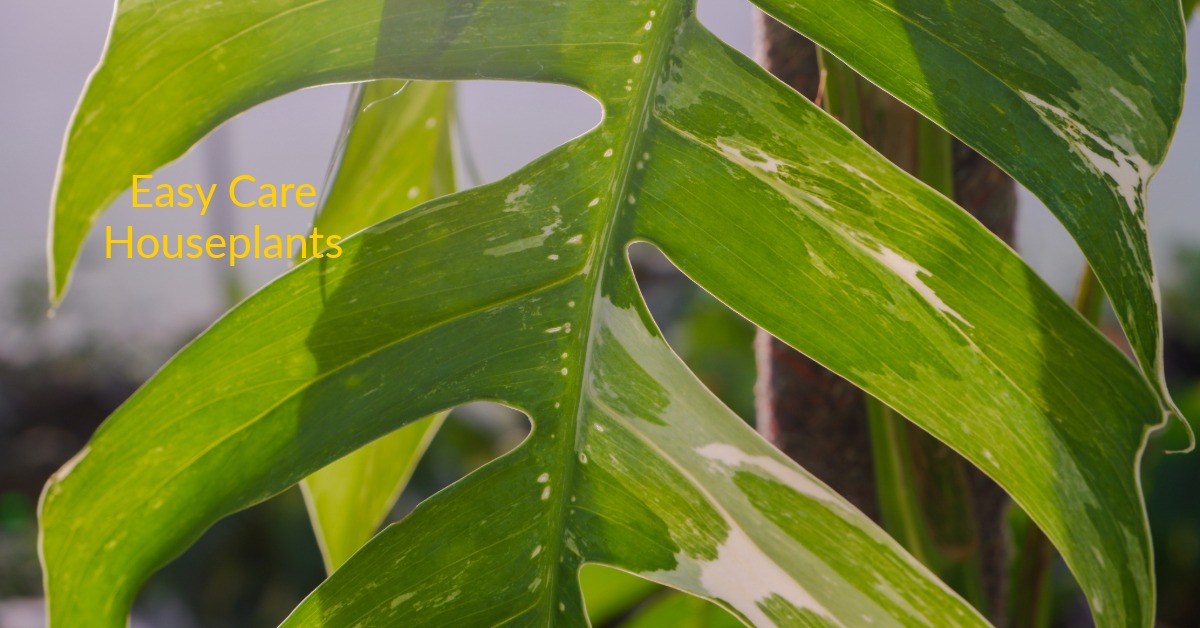
Few houseplants make a statement quite like fenestrated plants. Known for their dramatic holes, splits, and cut-out leaves, these tropical beauties instantly bring texture, movement, and a relaxed, designer feel to a room. Whether your style leans modern, bohemian, minimalist, or tropical, fenestrated houseplants can elevate almost any space with very little effort.
Why are Fenestrated Plants So Popular?
Fenestrated houseplants have a lot going for them, making them a favorite among interior designers and plant enthusiasts alike.
They Create Instant Visual Interest
The unique leaf patterns naturally draw attention and add dimension to a room. Even a single plant can become a focal point thanks to its striking foliage.
They Complement Many Design Styles
Fenestrated plants work beautifully with a wide range of interiors, from clean Scandinavian spaces to eclectic boho homes and contemporary apartments.
They Bring a Tropical Feel Indoors
Large split leaves create a lush, calming atmosphere that softens hard lines and makes interiors feel more inviting.
Many Are Surprisingly Easy to Grow
While they look dramatic and exotic, many popular fenestrated plants are relatively beginner-friendly with the right lighting and watering routine.
Popular Fenestrated Houseplants
If you want to bring this stylish look into your home, consider these popular fenestrated houseplants.
Baltic Blue Pothos
The Baltic Blue Pothos isn’t as popular as other fenestrated varieties, but it should be. Glossy leaves develop dramatic splits as the plant matures.
This Pothos needs medium to bright indirect light. These prolific vining plants prefer evenly moist soil that dries slightly between waterings.
Cebu Blue Pothos
Long, silverish-blue leaves are the hallmark of the Pothos Cebu Blue, and this is what you can count on when you bring this stylish plant into your home. With the proper conditions, a mature Cebu Blue can also develop fenestrated foliage. This plant grows quickly in warm, humid conditions and enjoys bright indirect light.
Because of its unique appearance, the Cebu Blue is especially popular in modern apartment spaces and indoor jungle collections.
Rhaphidophora decursiva
If you want to add some visual drama, then you need a Rhaphidophora decursiva. This plant is absolutely darling in its juvenile stage, when the leaves are solid, but give it time, and the large, glossy leaves can develop fenestrations that extend all the way to the midrib.
This fast-growing climber thrives with support and can quickly create a lush vertical accent in bright indoor spaces.
Epipremnum pinnatum
As Epipremnum pinnatum matures, its leaves begin developing elegant fenestrations and deep splits. Younger plants may resemble Pothos, but mature foliage becomes much more dramatic. This plant is relatively low-maintenance and adapts well to indoor environments, especially in warm temperatures and moderate humidity.
Its climbing habit makes it a beautiful option for moss poles or wall-mounted plant displays.
Philodendron bipinnatifidum
Sometimes called tree Philodendron or Selloum, this plant features large, deeply lobed leaves that create a dramatic tropical appearance. While technically more lobed than perforated, its architectural foliage gives a similarly bold effect that pairs beautifully with fenestrated species.
This plant works especially well as a floor plant in larger rooms with bright indirect light.
How to Style Fenestrated Houseplants
One reason fenestrated plants are so beloved is their versatility in home décor.
Make a Statement
A large, mature deliciosa can create a focal point in a living room corner, brighten an office, or soften empty spaces with its organic texture.
Go Vertical
Climbing species look stunning trained up moss poles, trellises, or mounted wall supports. Training a plant to grow vertically draws the eye up, making good use of limited room without overwhelming a space.
Mix Things Up
Combining fenestrated plants with other varieties, such as solid-leaf or trailing plants, creates layered texture and visual balance.
Pair with Natural Materials
Fenestrated plants complement wood furniture, woven baskets, linen textiles, ceramic planters, and earthy color palettes particularly well.
Style With Plants
Fenestrated houseplants have so much to offer, combining bold structure with relaxed tropical beauty, making them one of the easiest ways to add effortless, elegant style to indoor spaces. Their sculptural leaves create movement, texture, and a sense of lushness that instantly transforms a room.
Whatever you choose, these plants bring a timeless, designer-inspired feel that continues to grow in popularity.