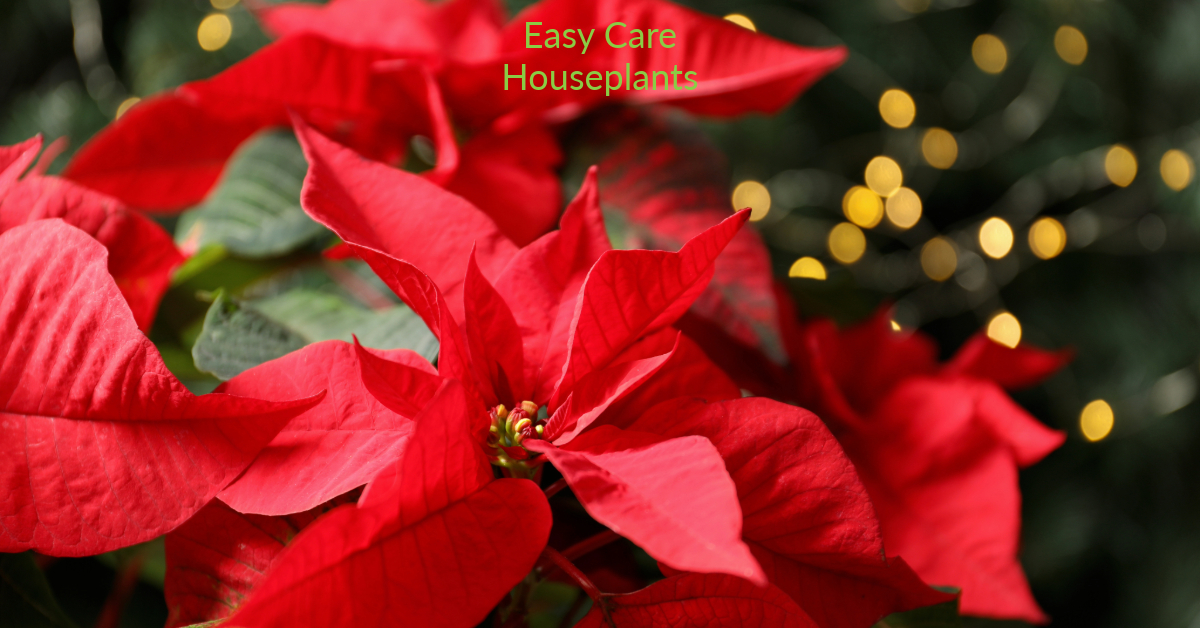
Poinsettia plants are a staple of holiday decor and make wonderful host gifts, but don’t be so quick to toss these festive beauties in the New Year. With careful planning, you can keep your plant around to enjoy its bold, good looks. Learn more about Poinsettia care and how to help your plant thrive.
Poinsettia Basics
Euphorbia pulcherrima is a tree-like plant that hails from Mexico and Central America. This plant is a shrub in its native habitat and can reach heights of 13 feet. The red or white flowers are actually leaves known as bracts. The bracts are green and change color by late fall or early winter. The flowers are tiny, not very showy, and emerge at the end of a stem, surrounded by colorful bracts. Poinsettias grow as outdoor plants in zones 9 through 11.
The bright red or subdued white flowers are a big part of what makes Poinsettias so festive. Another trait that makes this plant so popular around the holidays is the longevity of the blooms. Proper Poinsettia care allows these plants to bloom for weeks or months.

Poinsettia Care
Choose a spot that receives bright, indirect sunlight for a Poinsettia. You can place the plant anywhere if your plan from the start is to compost it after the holidays because you’ll be ringing in the New Year by the time it starts to decline from lack of sunlight.
These plants thrive at 65° to 70° F, but they’ll be content if the temperature is over 55° F. Poinsettias like consistent dampness. Soggy soil is a big problem, but letting it dry out is equally problematic. Water when the top one inch of soil is damp, and remove excess water from the saucer or cachepot.
Most plants sold during the holidays come in a nursery pot wrapped in metallic foil. Ditch the foil when you get home and drop the nursery pot in a cover pot or cachepot. Use a holiday-themed cover pot or something that better aligns with your style. Removing the foil also ensures the plant isn’t stuck sitting in stagnant water and excess water drains freely.
Post-Holiday Slump
You have options when it comes to Poinsettia care after the holidays. You can trim the blooms and bracts to display in a vase or keep it as a houseplant.
Cut Flowers
A leggy plant that has already dropped lower leaves is a good candidate for cut flowers because the plant is showing signs of decline. Wear gloves and clean your pruning shears before and after use. Trim a stem section with multiple bracts for a showy display. Some plant owners swear by using a lighter to burn the cut end to seal in the sap.

Keep It Going
Continue to leave the plant in a sunny spot and water when the top layer of potting mix is dry. Give the plant a hard prune when the flowers decline around late winter or early spring. Do not remove more than one-third of the growth. Wait until there is no longer a chance of frost or chilly temperatures before moving the plant outside. A Poinsettia can be planted in a bed or grown in a container. Fertilize every four weeks using a balanced plant food.
Bring the Poinsettia back inside in the fall. Once inside, simulate night to encourage the plant to bloom and the bracts to change color. Give the plant 12 hours of complete darkness each night for six to eight weeks. You can set a timer to remind yourself to move the plant into a dark location or place it in a dark room and use a grow light on a timer.
Are Poinsettias Dangerous?
The stems produce a white sap when broken. The sap can cause itching and skin irritation. Eating any part of the plant can cause an upset stomach and vomiting. Poinsettia plants are not a good choice for a household with a curious pet. Eating the plant is unlikely to be fatal, but eating a large quantity can be harmful, especially for a very young or tiny pet. Be mindful when gifting a Poinsettia if the recipient has pets. It’s worth noting that humans have the same response if exposed to the sap, so be careful when pruning or trimming flowers.
Holiday Cheer
Poinsettias are lovely plants that create instant holiday cheer. Keeping your plant around can extend the festivities, but it is often easier said than done. Poinsettias are just not cut out for life exclusively indoors. It’s possible to keep yours growing, but don’t worry if you need to compost your plant and get a new one next year.