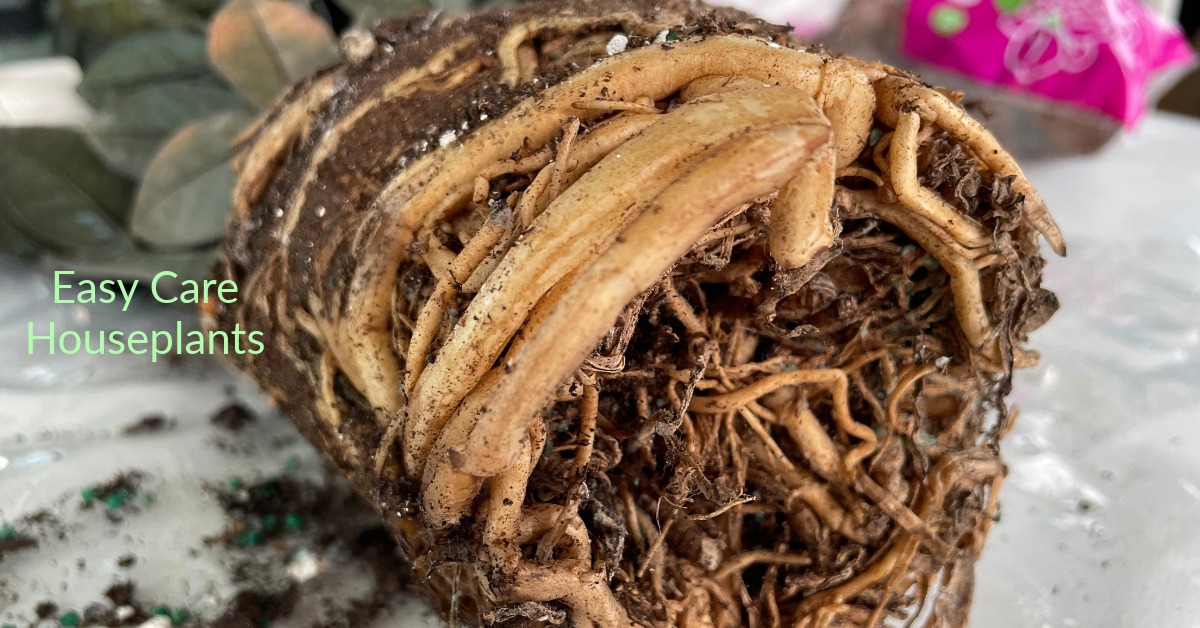
If you’ve ever slipped a plant out of its pot and discovered a tight mass of roots circling the inside, you’ve encountered a rootbound plant. Being rootbound is a common issue for container-grown plants, especially houseplants that have been in the same pot for a long time. Understanding what rootbound means and how to address it can help keep your plants healthy and thriving.
What is a Rootbound Plant?
A plant is rootbound when its root system has grown so large that it fills the entire pot. With no room left to expand into fresh soil, the roots begin to circle the inside edges of the container and around one another.
In extreme cases, the roots can form a dense, tangled mass that replaces most of the soil in the pot. A dense mass of roots may be unable to absorb water, leading to the plant’s decline.
Signs Your Plant May Be Rootbound
Several common symptoms can indicate that a plant has outgrown its container. These include:
- Roots growing out of the drainage holes
- Water immediately runs through the pot without soaking into the soil
- Slow or stunted growth
- Yellowing leaves or leaf drop
- Soil that dries out very quickly
- Roots visible at the surface of the soil
If you gently slip the plant from its pot and see tightly wound roots circling the root ball, it’s a clear sign the plant is rootbound.
Why Being Rootbound Can Be a Problem
The plant will struggle to function normally when rootbound. The lack of space limits the root system’s ability to expand and absorb resources.
Some problems that may occur include:
- Reduced nutrient absorption
- Poor water retention
- Increased stress on the plant
- Slower growth and smaller leaves
In severe cases, roots can begin to strangle themselves as they continue to circle, restricting the plant’s overall health.
How to Fix a Rootbound Plant
Repotting and getting the plant out of the too-small pot is the most effective solution for a rootbound plant.
1. Move the Plant to a Larger Pot
Choose a new container that is about 1–2 inches larger than the current container. This provides room for roots to spread without overwhelming the plant with excess soil.
2. Loosen the Roots
Gently break apart the root ball before placing the plant into the new container. Carefully and gently tease the roots apart or make a few shallow cuts to the root mass to encourage outward growth.
3. Add Fresh Soil
Give the plant fresh potting mix. New soil provides nutrients and improves moisture retention, setting the plant up for a successful rebound.
4. Water
Water your freshly repotted plant until water drains through the container. Watering helps minimize stress from repotting and allows the new soil to settle around the roots.
Can Some Plants Tolerate Being Rootbound?
Interestingly, not all plants suffer when slightly rootbound. Some species even prefer it for short periods. Certain flowering plants, such as peace lilies, may bloom more readily when their roots are somewhat crowded. With that said, most rootbound houseplants eventually need more space to maintain healthy growth.
How to Prevent Plants from Becoming Rootbound
A few simple habits can help prevent plants from becoming overly rootbound:
- Check plants annually for root crowding
- Repot every 1–2 years, depending on the plant’s growth rate
- Choose appropriately sized containers
- Use well-draining potting soil
Regular maintenance ensures that roots have enough space to grow and access the nutrients they need.
Give Your Plants Plenty of Space
A rootbound plant simply means the roots have filled their container and run out of room to grow. While it’s a common issue with potted plants, it’s usually easy to fix by repotting the plant into a larger container. With a little attention, your plant can quickly bounce back and continue growing strong.