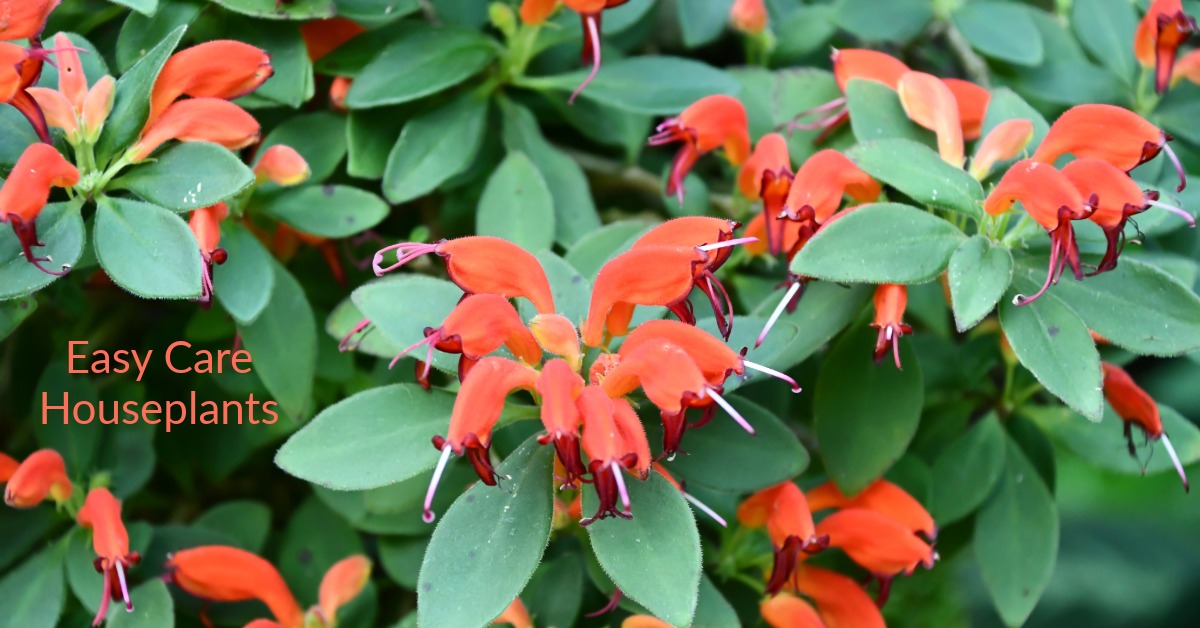
If you’ve got a lipstick plant that’s all leaves and no flowers, that’s a problem. Those glossy trailing vines are beautiful, but the real magic is in the blooms. When a lipstick plant flowers, the deep tubular buds pop out of dark casings like a tube of lipstick twisting up. It’s dramatic in the best way. If your plant isn’t blooming yet, it’s usually just asking for a few specific tweaks. Here’s how to get your lipstick plant to bloom.
First, What Is a Lipstick Plant?
The lipstick plant (Aeschynanthus radicans) is a tropical trailing plant native to Southeast Asia. In nature, it grows as an epiphyte, meaning it clings to trees rather than sitting in soil. That background explains a lot about what it needs indoors. Think: bright light, warmth, airflow, and moderate humidity.
1. Provide Bright, Indirect Light
Light is the primary factor in blooming. Lipstick plants need bright, indirect light to produce flowers. If it’s sitting in medium or low light, it may stay healthy but refuse to bloom. If the vines are long but the leaves are widely spaced and pale, it likely needs more light.
The plant needs to be in a bright room with filtered light. The ideal placement is near an east-facing window or a few feet back from a bright south or west window.
2. Keep It Slightly Rootbound
Lipstick plants bloom better when they’re a little snug in their pots. Repotting too often or placing them in oversize containers can delay blooming because the plant will focus on root growth rather than on flowers.
A rootbound plant will eventually need to be upgraded. Repot only when the roots are tightly circling the pot, water runs straight through immediately, or growth has significantly slowed.
When you do repot, only increase the pot diameter by 1 to 2 inches at a time, and understand that repotting, while necessary, may delay (but not prevent) the next round of blooms.
3. Water Properly
Lipstick plants like evenly moist soil; not soggy, not bone dry. Give the plant water when the top inch of soil feels dry. Avoid letting the entire pot dry out completely, especially in spring and summer when it’s gearing up to bloom.
Overwatering can lead to root rot, which quickly shuts down flowering potential. Make sure the pot has excellent drainage, so excess water flows away from the roots. These plants hate sitting in water.

4. Increase Humidity
While lipstick plants are more adaptable than some tropical divas, they do appreciate moderate humidity. Very dry air, especially in winter, can damage growth or delay blooming. You may notice bud drop, crispy edges, or no blooms when the air is too dry.
To increase the dampness in the air, use a humidifier, group your lipstick plant with other plants, and keep it away from heating vents. Misting isn’t harmful, but maintaining consistent humidity will help the plant thrive.
5. Feed During the Growing Season
To get a lipstick plant to bloom, the plant needs energy. During spring and summer, fertilize once a month to give your plant the nutrients it needs. Too much nitrogen can produce lots of leaves but fewer flowers. A balanced or bloom-support formula works best. Stop fertilizing in fall and winter when growth slows.
6. Let It Rest in Winter
Lipstick plants benefit from a slight cool-down period in winter. If possible keep temperatures around 60–65° F at night. Reduce watering slightly and avoid fertilizing. This mild rest can encourage bud formation once spring returns.
7. Don’t Move It Once Buds Form
Lipstick plants don’t love being moved once they start forming buds. Shifting light conditions or drafts can cause them to drop flowers before they open. If you see buds forming, leave the plant exactly where it is until the flowers fade.
How Long Does It Take to Bloom?
If your plant is healthy and mature, it should bloom in spring or summer under the right conditions. If it’s young, newly propagated, or recently repotted, give it time. Some patience is required, but when those blooms appear, it’s completely worth it.
Get Gussied Up
Getting a lipstick plant to bloom isn’t about doing something dramatic; it’s about fine-tuning the basics. Once those needs are met, your plant will usually take care of the rest. A healthy, well-cared-for plant will naturally bloom.