Umbrella Plants are stunning, tropical shrub-like trees with unique leaf clusters. More formally known as Schefflera, Umbrella Pants naturally grow in Australia, New Zealand, Papua New Guinea, and other Pacific Islands. These beauties prefer rainforests and areas with increased humidity, and they are excellent houseplants because they’re easy to maintain. Umbrella Plants are fast-growing, making them a fun option for plant owners who want instant gratification. Learn about Umbrella Plant care and how to help these leafy beauties thrive in your home.
Types of Umbrella Plants
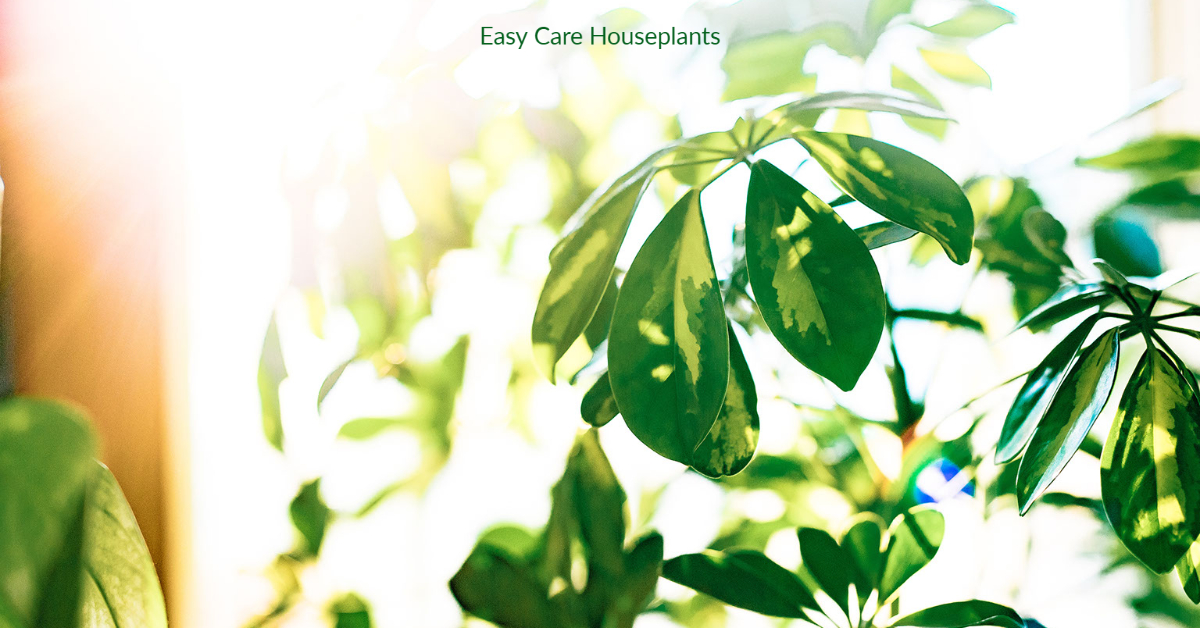
Umbrella Plants are sometimes referred to as umbrella trees. These plants have a central trunk and a branched structure. Oval foliage, known as a palmately compound leaf, grows in clusters. The shiny leaflets emerge from a central point, and their midribs radiate from the center. This leaf structure resembles an umbrella, inspiring the name. Depending on the cultivar, Umbrella Plants can have solid green or variegated foliage. Umbrella plants grown outdoors can reach 25 feet tall and bloom, but most houseplants top out around a few feet and do not set flowers.

Some of the more common Umbrella plants include:
- Alpine Schefflera (Schefflera alpina)
- Amate Schefflera
- Australia Umbrella Tree (Schefflera actinophylla)
- Dwarf Schefflera (Schefflera arboricola)
- False Aralia (Schefflera elegantissima)
- Frodin (Schefflera heptaphylla)
- Gold Capella Schefflera
- Janine Schefflera
- Madame De Smet
- Petite Schefflera
- Trinette Schefflera
Umbrella Plant Light Needs
Set your Schefflera up for success by placing it in a spot that receives bright indirect light. These leafy plants need lots of light and do well near a south-facing window. Umbrella Plants accustomed to indoor living cannot handle direct sunlight. If you move the plant outdoors for the summer, provide excellent Umbrella Plant care by keeping it out of direct light, which will burn the foliage.
Plants in low light can become leggy or straggly. Help a leggy plant by giving it a trim and moving it to an area with increased indirect light.
How Often to Water Umbrella Plant
Let the soil in the container dry out before watering an Umbrella Plant. This plant appreciates drying out between watering sessions. Overwatering is a problem that will cause the foliage to turn yellow and die. Drench the soil when it is time to water to give the plant a deep drink. Scale back on water during the fall and winter when the plant is dormant.

Best Soil for Umbrella Plant
Umbrella Plants need rich, well-drained soil. Drainage is essential because too much water can damage the roots. A slightly acidic soil provides excellent Umbrella Plant care. Most potting mixes are suitable for Scheffleras.
Temperature for Umbrella Plant
Temperatures above 60° F are necessary for proper Umbrella Plant care. Anything lower will damage the plant. Keep the plant away from heating and cooling vents, drafty windows, and exterior doors, especially during winter. Chilly temperatures are bad news for Umbrella Plants.
Umbrella Plant Humidity
As a tropical plant, it should be no surprise that Scheffleras like humidity. Plants grown in 60% humidity will be happy and healthy. You can still enjoy this plant if you live in an area with average or low humidity, but you’ll need to increase the moisture to make the Umbrella Plant feel at home.
Umbrella Plant Fertilizer
Scheffleras are fast-growing plants, but they need your help to put on consistent and healthy growth. Routine fertilization is a big part of Umbrella Plant care. Feed your plant using a balanced fertilizer every other week during the growing season. Stop fertilizing when the plant is dormant during the fall and winter.

Pruning Umbrella Plant
Pruning is not a standard part of Umbrella Plant care, but trim Schefflera plants to keep growth even and dense. This plant has a nice natural shape, but its growth can become uneven. Shaping the plant creates a symmetrical and tidy appearance. Time pruning to spring and summer when the plant is actively growing.
When to Repot Umbrella Plants
Repot Umbrella Plants annually or as needed. Clay, unglazed ceramic, and terra cotta are good pot materials for Umbrella Plants because they allow the soil to dry out. Schefflera plants can get rather large, and you can delay repotting and allow the plant to become rootbound to slow growth and prevent the plant from outgrowing your space. Rootbound plants may need water more often.
Schefflera Propagation
Propagate Scheffleras by cuttings. Trim a section of stem and propagate in soil. Use plastic to tent the cutting, creating a greenhouse effect. Keep the soil moist, and roots should form in about one month. Once the cutting has roots, you can remove the tent and transition to established Umbrella Plant care.

Are Umbrella Plants Pet Friendly?
Umbrella Plants are not pet-friendly. Schefflera plants are toxic to cats and dogs. The upright growth habit of this plant is not likely to lure in curious felines or pups, but it is harmful if eaten. Be careful introducing this plant into your home if you have pets.
Schefflera Styling Tips
Plant styling is simple with Schefflera. These trees are darling when small and look great on a shelf or desk. They have a stately presence as they grow and transition into floor plants.
Umbrella Plant Care Tips
Umbrella Plants introduce lovely greenery and effortless style into a space. These fast-growing houseplants are easy to maintain and a favorite with many due to their size and adaptability. High humidity is a must, but otherwise, these plants are not fussy or demanding.