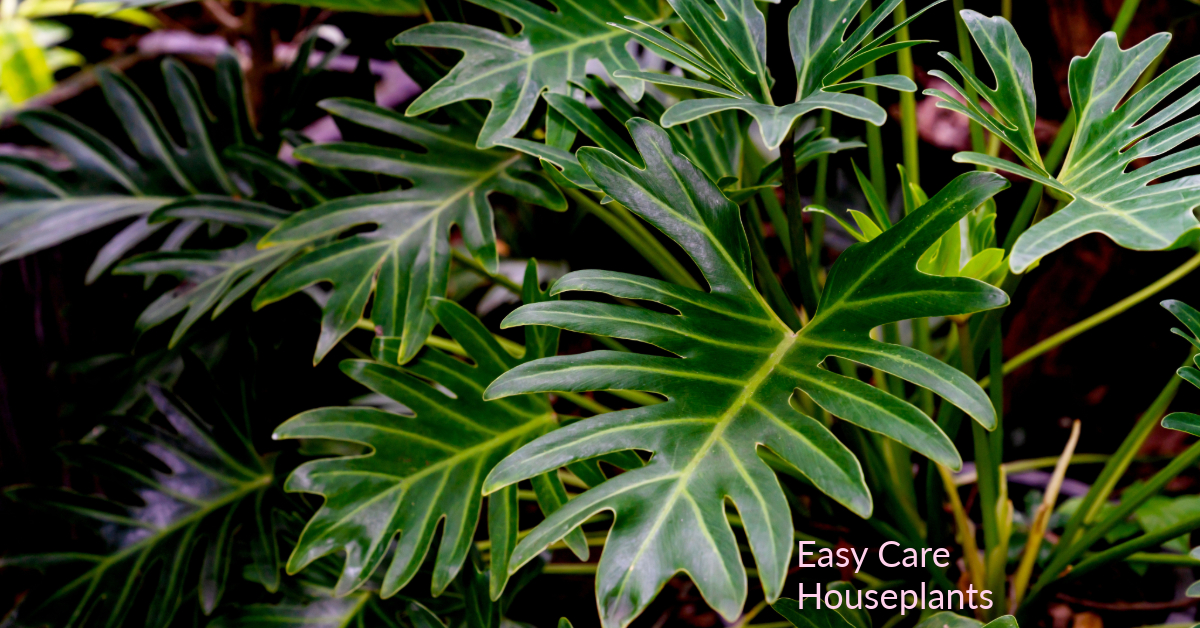
The Philodendron Xanadu is a captivating tropical beauty. Known for its deeply lobed leaves with a glossy sheen and relatively compact growth habit, the Xanadu Philodendron is a favorite among plant enthusiasts for its striking tropical appearance and relatively easy care. Here’s what you need to know to keep your Xanadu thriving.
A Vision in a Dream
Some reports say the Xanadu is native to Brazil. I’ve also seen that this plant was cultivated as a hybrid in Western Australia, but no one is sure exactly which version of events is true. Whatever the origin story, with proper Philodendron care, this is a moderately fast-growing houseplant.
The leaves are so deeply lobed that the indentations almost reach the midrib. The edges have a slight ruffle for subtle dimension. The glossy green leaves have light green or yellow accents along the edges that coordinate with the midrib and veining. Leaves can reach 16 inches long and have 15-20 lobes. The Xanadu has an upright, compact growth habit, with leaves growing from thick, sturdy stems. Healthy and mature plants can stand 3 to 5 feet tall and wide, creating a full, shrub-like appearance.
Naming Rights
Botany is constantly growing and evolving; that pun was sort of intended, and as such, reclassification is a thing that happens in the plant world now. Some Philodendrons, including the Xanadu, were reclassified into the Thaumatophyllum genus in 2018. DNA testing revealed that Thaumatophyllums are, in fact, different enough from Philodrondrons that they should be in a separate genus. Thaumatophyllums are still part of the arum or Araceae family.
Despite this reclassification, most people still call the plant a Xanadu Philodendron or a Philodendron bipinnatifidum ‘Xanadu.’ You may even see it labeled as a Thaumatophyllum Xanadu or a Thaumatophyllum bipinnatifidum ‘Xanadu.’ The care requirements are the same regardless of how the plant is labeled.

Philodendron Xanadu Light Needs
Xanadu Philodendrons thrive in bright, indirect light. These plants can tolerate medium light conditions, but their growth will be slower and might not be as lush. Keep the plants out of direct sunlight, which can scorch the leaves.
How Often to Water Xanadu Philodendron
Consistent moisture is key, but the soil should never be soggy. Water your Xanadu Philodendron when the top inch of soil feels dry. You may find the plant needs more water during the spring and summer. Warm temperatures and increased sunlight may encourage more growth, which means the plant will need more water. Reduce watering in the fall and winter.
Yellowing along the leaf tips occurs when the plant is overwatered. Scale back the watering frequency and get a handle on when the plant needs water if you notice yellowing. Drooping stems are a sign the plant needs more water. The stems may perk back up if you water them right away. If the stems haven’t recovered after a week, trim the foliage to remove damaged growth and redirect energy into the plant.
Best Soil for Philodendrons
A well-draining, rich potting mix is ideal for Xanadu Philodendrons. Use a general potting mix and add perlite or orchid bark to improve drainage.
Xanadu Temperature Requirements
Xanadu Philodendrons prefer temperatures between 65° and 75° F. Most homes are comfortable for them. They can tolerate slightly lower temperatures but avoid drafts, air conditioning vents, and heaters. Temperature fluctuations are trouble.

Xanadu Philodendron Humidity Needs
As a tropical plant, the Philodendron Xanadu appreciates high humidity levels. Aim for a humidity level of 40-60%. If your home is dry, use a humidifier or pebble tray with water. Most areas experience low humidity in the winter, so the plant may only need a seasonal humidity boost.
Xanadu Fertilizer Basics
Feed your plant a balanced, water-soluble fertilizer every 4-6 weeks during the growing season. If growth slows during the fall and winter months, reduce feeding.
Does Xanadu Bloom?
The Xanadu blooms, but this leafy beauty is more about foliage. The plant produces a spadix surrounded by a spathe. Houseplants rarely bloom, so don’t worry if your plant does not set flowers.
Philodendron Pruning Tips
Prune your Philodendron Xanadu to maintain its shape and remove any yellowing or damaged leaves. Regular pruning can also promote bushier growth. Occasionally clean the leaves to remove dust, keeping the plant looking good and living its best life.
When to Repot Philodendron Xanadu
Repot your Philodendron Xanadu every 2-3 years or when you notice roots growing out of the drainage holes. Choose a slightly larger container and use fresh soil to provide nutrients.

Xanadu Philodendron Propagation
Propagating the Xanadu is best done through stem cuttings. Trim a stem section that measures up to six inches long with several nodes and place the cut end in water or soil.
Water-propagating cuttings will have roots in about a month. When the roots are at least one inch long, transfer them to a container with soil.
Soil-propagated cuttings do best in a damp, humid environment. Tent the cutting with plastic to increase the air moisture or locate it in a naturally damp area. In a month, when the plant should have roots, transition to regular Philodendron care.
Is Xanadu Philodendron Pet Safe?
Xanadu is not ideal for homes with pets. Its leaves and stems contain calcium oxalate crystals, which irritate the mouth, throat, and digestive system if chewed or consumed.
Xanadu Philodendron Styling Tips
The Xanadu Philodendron offers a lot of visual interest and drama but in a more compact size. This Philodendron is a large plant but does not typically become overwhelmingly large, like a Philodendron Selloum or Monstera deliciosa. A young plant may be able to call a desk or shelf home for a while, but this plant will graduate to a plant stand before long.