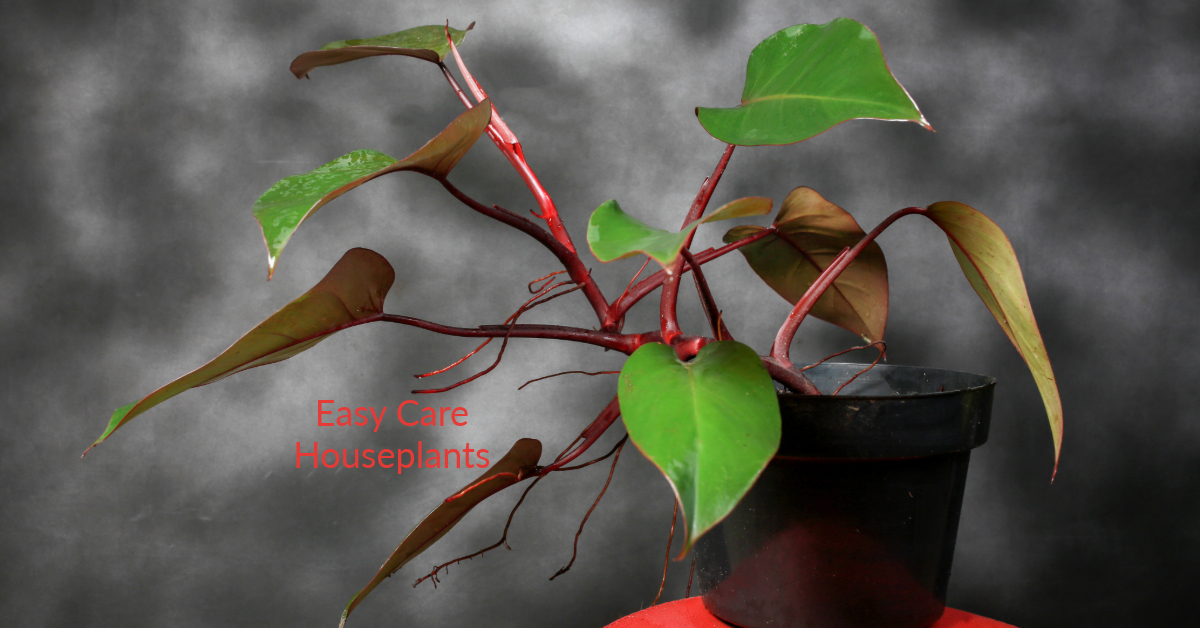
Lush, colorful foliage and a low-maintenance care regime are what the Philodendron Rogo Congo is all about. Stately foliage changes color with maturity, while the full form and abundant greenery make this plant a welcome addition as a standalone plant or as part of a jungle-like decor. Once considered rare, the Rojo Congo is much easier to find. Learn everything about Philodendron Rogo Congo care and what this plant needs to thrive.
Rojo Congo Background
This leafy houseplant is a hybrid created from crossing a Philodendron tatei and Philodendron Imperial Red. New leaves are coppery-red and turn dark lush green with age. The glossy leaves have smooth edges and light green midribs and veining. The stems or petioles retain a deep red hue, reminding you how things began.
This Philodendron is self-heading, which means new leaves emerge from the petioles of the previous leaf in an upright, bushy form. Some Philodendrons grow vines, like the Heartleaf and Brasil, but the Rojo Congo has the same growth habit as the Pink Princess and Prince of Orange and Birkin. Mature plants can reach 3 feet tall and wide.

How to Tell Philodendron Rojo Congo and Imperial Red Apart
This plant is sometimes identified as a Red Congo, which makes sense. You may also see it labeled as an Imperial Red Philodendron. The Rojo Congo and Imperial Red have much in common but differ. It’s often easier to tell plants apart when you have them side-by-side for comparison, but the Rojo Congo is often a thick, sturdy plant with more depth of color. Here’s what to look for to confirm if your plant is a Rojo Congo.
- Red Congo has a more open and spreading growth habit
- Petioles of the Rojo Congo are thicker, longer, and a dark purplish-red hue; Imperial Red petioles are not as big and are brownish-green
- The Red Congo foliage is thicker, larger, and has an ovate shape; Imperial Red leaves are more heart-shaped
- Mature Rojo Congo leaves are darker green, and there is more contrast between the foliage and the midrib color
- Rojo Congo has thick aerial roots
- The Rojo Congo is a more vigorous grower
Philodendron Rojo Congo Care
Bright, indirect sunlight is a must for the Rojo Congo. Position this plant a few feet back from a south-facing window. Like all Philodendrons, this beauty can live in medium sunlight, but growth will slow, stems will become leggy, and the foliage will not be as vibrant. Avoid direct sunlight, which will burn the leaves.

Use a rich, airy potting mix that promotes drainage. An acidic pH is ideal and will support new growth. Most standard houseplant potting mixes are a good start, but amend the mix with perlite and orchid bark to create an easy and custom mix.
Rojo Congo Water Needs
Wait until the top three inches of potting mix is dry before giving the plant water. Sticking your finger in the soil is the most dependable way to gauge dryness. Philodendrons like water, but they hate being soggy. Too much water is damaging, and these plants are slightly better off being underwatered than overwatered.
When watering, drench the soil so the entire root ball soaks up moisture. Empty standing water from the tray or cachepot.
Philodendron Temperature and Humidity
Warm, humid conditions are best for the Rojo Congo. Most homes are warm enough, but avoid spots near drafty windows and exterior doors, especially in areas with chilly winters. Humidity around 50-60% is ideal and keeps the foliage lush and lovely. Dry air can be a problem. Dark, dry patches along the foliage edges indicate the humidity is insufficient. Group plants to increase the dampness in the immediate area, or a pebble tray or humidifier can give the plant extra moisture.

Philodendron Fertilizer Needs
Apply a balanced fertilizer every four weeks during the spring and summer. A water-soluble mix can be combined with a routine watering session. Growth often slows during the fall and winter when less sunlight is available, and fertilizing isn’t necessary.
Philodendron Pruning Tips
Remove dead or damaged growth as it appears. New leaves grow from the stem of the previous leaf, so be careful not to remove too much and prevent future growth when pruning. When in doubt, wait until the next leaf has come in before pruning. If you remove too much, the plant may branch out, so all isn’t lost if you get heavy-handed with the pruning shears.
When to Repot Philodendron Rojo Congo
Repot the Rojo Congo every one to two years. Slow growth and roots growing through the container’s drainage holes are signs the plant is ready for an upgrade.

Philodendron Rojo Congo Propagation
Expand your Rojo Congo collection through propagating stem cuttings. Remove a stem section with several nodes or aerial roots and a couple of leaves. Place the cut end in potting mix or water. Roots will grow in a few weeks. Transplant water-propagated cuttings to soil when the roots are one inch long.
Is Philodendron Rojo Congo Pet Safe?
Philodendron Rojo Congo is not safe to have around pets. The plant contains insoluble calcium oxalate crystals, which can cause a host of issues if chewed on or consumed.
Philodendron Rojo Congo Styling Tips
The Rojo Congo is not a traditional climber, but a moss pole or trellis can be beneficial. This Philodendron can be tippy, and support helps it grow upright. However, the sunlight should be increased if the stems are not strong enough to support the plant. Plants in medium light can be leggy and are more prone to flop over.
Small plants are darling tabletop or desk plants, while a mature Rojo Congo in a plant stand adds a sophisticated flair when framing a credenza or doorway.