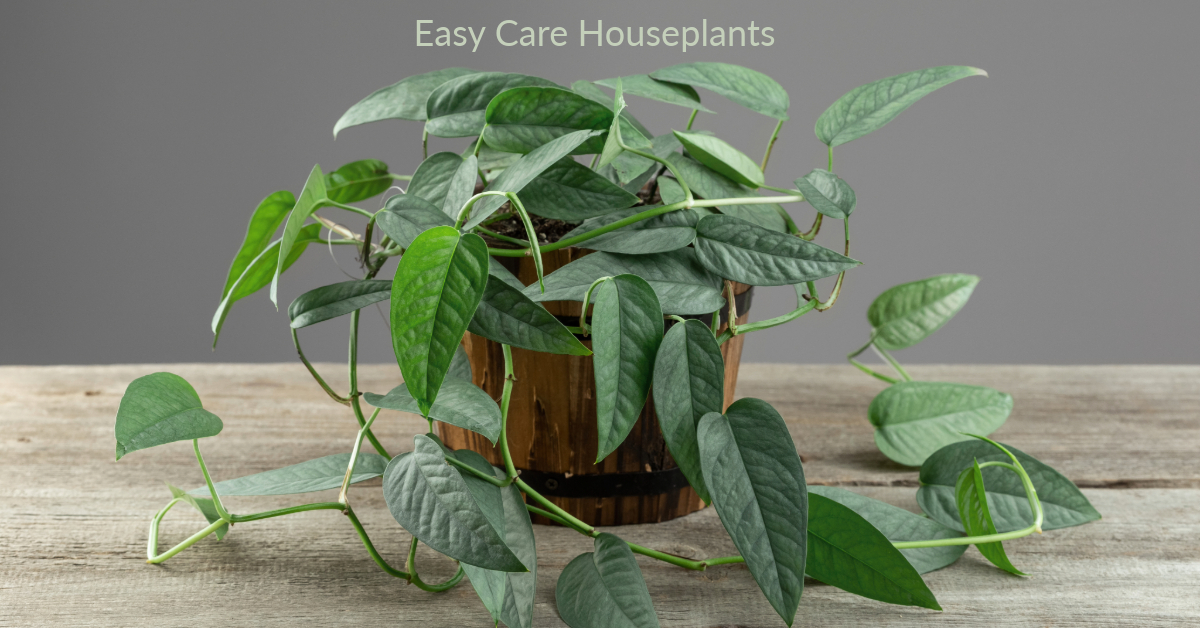
Split or fenestrated leaves are a big reason so many people love the Baltic Blue Pothos. This charming vining pothos is easy to maintain and also easy on the eyes. The blue-tinted leaves are perhaps the most interesting trait of this plant, although the fenestrations are also intriguing. It’s a bummer when your Baltic Blue has solid leaves, so here’s what you can do to help your plant form split leaves.
What’s the Point of Fenestrations?
Fenestrations serve a purpose in the wild; however, that purpose is up for debate. There are a few theories about why some plants form split leaves. Some people believe it is to allow wind or rain to pass through the foliage easily. The ability to enable gusty winds to pass through the leaves prevents the foliage from acting like a sail and being damaged in high winds. The holes could do the same for water, increasing the odds of rain reaching the roots. These theories are interesting, but there isn’t definitive evidence to support either claim.
The prevailing theory that has the most interest from people who study plants is that fenestrations make it easier for a plant to soak up sunlight. Pothos are climbers that scale trees and other nearby plants to get above the ground dwellers, but they still reside under the dense tree canopy. Plants under the canopy rely on scattered rays of sunlight that filter through the overhead growth. Fenestrations spread the leaf out and make it wider. The holes may allow sunlight to pass through, so the design can backfire, but a broader leaf is more likely to intercept some glimmer of the sun.
Baltic Blue Pothos Origin Story
Theories about why plants have fenestrations are interesting but not necessarily applicable to the Baltic Blue. The Baltic Blue Pothos was developed in a nursery and is a clone of the Epipremnum pinnatum. The Epipremnum pinnatum evolved to have fenestrations, and when the Baltic Blue was created, it carried on the trait. The fenestrations may be purely aesthetic, but they are still a big part of this plant’s appeal.

How to Encourage Your Baltic Blue Pothos Leaves to Split
Young or juvenile plants produce solid leaves. Only mature plants produce split leaves. Baltic Blue Pothos often form fenestrated leaves earlier than other Epipremnum pinnatum varieties. With that said, be patient if you have a new plant with solid leaves.
Sunlight is vital for an Epipremnum pinnatum to form fenestrated leaves. Plants that receive plenty of sunlight will mature more quickly, and plants that continue to receive plenty of sunlight will continue to form split leaves. Proper light is essential for a plant to mature and continue to thrive.
If you think your Baltic Blue plant should have split leaves but doesn’t, move it to a sunny spot. Medium to bright indirect sunlight will encourage fenestrated leaves. Direct sunlight scorches foliage, so avoid a location directly in a window, especially with southern exposure. Pothos can live in low light, but the trade-off is slow and leggy growth, and a Baltic Blue Pothos in low light will probably not form split leaves.
It may be worth moving your plant around your home in response to available sunlight. A spot close to a sunny window is beneficial during the winter when less light is available. That same spot may be too bright in the summer, but a few feet back is likely a good home. Be mindful of the available sunlight, and check in with your Batlic Blue Pothos every few weeks to see how it’s doing and make changes as necessary.
Pro tip: Clean the leaves regularly to remove dust buildup and help the plant absorb as many sun rays as possible.