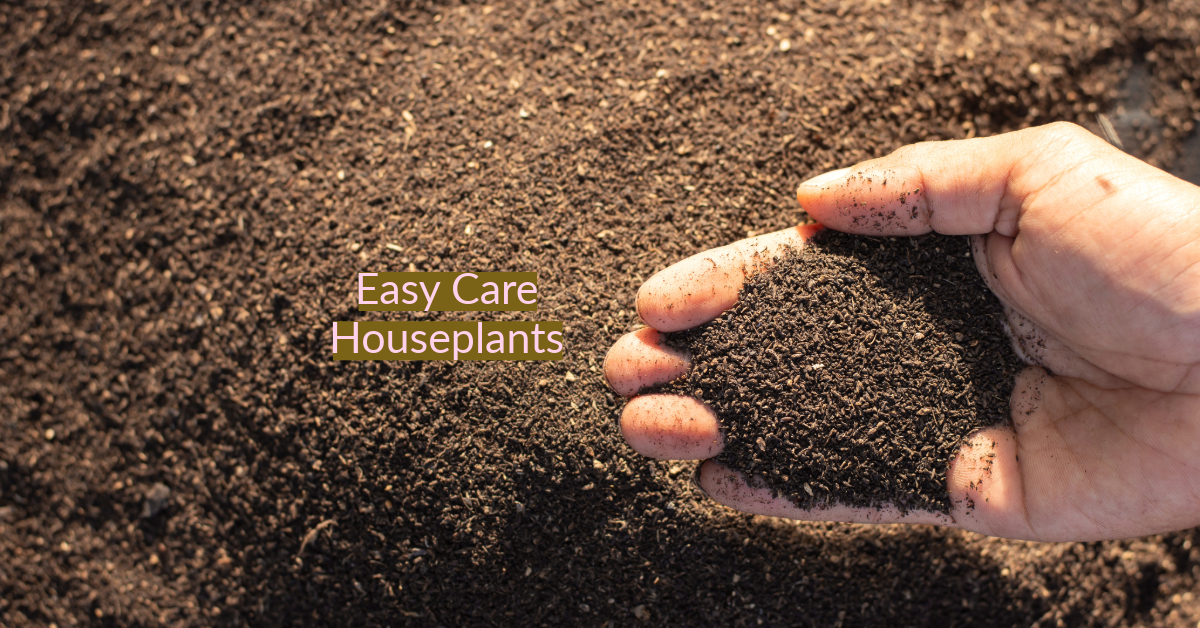
If you’ve spent any time researching houseplant care, you’ve probably heard mention of worm castings or vermicast. Simply put, worm castings are earthworm excrement. It turns out worm poop has a lot to offer plants. Find out why and how you can add worm castings to your houseplants.
What are Worm Castings Made Of?
Earthworms eat soil and whatever is in the soil, including compost or manure mixed in and decaying plant matter like roots, along with bacteria or fungi. As earthworms work through the soil, they eat and do their business. The resulting worm poop breaks down nutrients into their most fundamental and usable form.
What are the Benefits of Worm Castings?
Worm castings are organic fertilizer that improve the soil structure. Worm poop gives soil a nutritional boost and provides plants with the vitamins and minerals they need to thrive, along with healthy bacteria and microbes. Castings improve drainage while also increasing water retention. Moreover, castings have a neutral pH, so they help without tipping the scale too far to one side.
Studies indicate vermicast improves germination rates, and seedlings grown in soil rich in castings experience improved growth. These traits are more useful in a garden setting, but if castings help vegetable plants, they will also help your pothos.
Part of a Balanced Diet
Castings often have low NPK values, so while they’re very beneficial, your plants will still benefit from fertilizer. Vermicast is part of a balanced approach to plan care.

How to Apply Vermicast
A major benefit of vermicast is that they do not burn the plant. Fertilizers high in nitrogen can burn the plant’s roots or stems if they come into direct contact with this element. Fertilizer burn can be avoided if you water thoroughly and immediately after applying plant food, but there is always the risk of damaging the plant. Worm castings contain nitrogen, but it’s a naturally slow-release form that does not cause fertilizer burn.
Vermicast is easy to apply. Mix it into the soil when creating a potting mix to use when repotting or top-dressing a houseplant. Top dressing is simply spreading a layer of castings on top of the potting mix. Top-dressing is an excellent technique for fertilizing plants that need to be repotted every two or three years, as it gives the soil mix some extra oomph in the off years to hold it over until it’s time to repot.
Worm castings do not contain soil, so do not plant a houseplant exclusively in castings. Instead, mix it into soil or compost or purchase a pre-mixed blend containing vermicast.
Do Worm Castings Smell?
Vermicast does not smell or have an odor. Some people think there is a faint earthy smell. It’s logical to think worm castings would be smelly and not something you’d want to use on houseplants, but they are great for use on plants outdoors and indoors.
What Plants Like Worm Castings?
All plants like vermicast. Even cacti and succulents, which are notorious for thriving in low-quality soil, will appreciate an annual top-dressing of worm castings. The ability to improve drainage is particularly beneficial for cacti and succulents.
Where Do I Get Worm Castings?
You can purchase vermicast at plant stores and even big box stores. Castings can get costly, but a little goes a long way.
If you’re more of a hands-on DIY-type, you can make your own in a process known as vermiculture or vermicomposting. Vermiculture is similar to composting, but it only uses organic waste and relies on earthworms to break everything down. You can get a bin for food scraps to keep in your home, usually under the kitchen sink. Worms are tiny, so vermiculture is a long game. If you want to top-dress a houseplant or two occasionally, give it a go. Otherwise, consider purchasing castings.