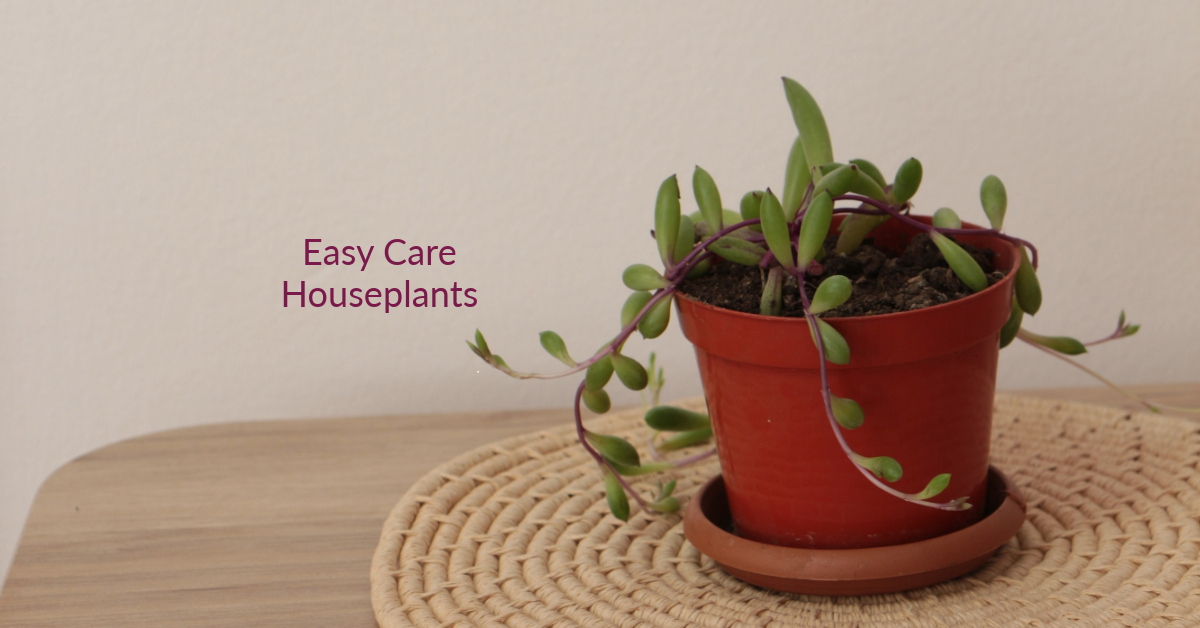
Trailing succulents have a gorgeous look about them and are often intimidating. A lot of care goes into growing long, hanging vines, and you don’t want to screw it up, but knowing when to water a succulent can be tricky. Put your worries aside with the Crassothonna capensis or String of Rubies. This looker is stunning and easy to maintain. Here’s everything you need to know about String of Rubies care.
Plant History
The String of Rubies is also known as the Ruby Necklace or the String of Pickles. Oddly enough, all of those common names are fitting. The botanical name was originally Othonna capensis, but it was changed to Crassothonna capensis, so you may see either name. This succulent plant is from South Africa.
Its thin vines are deep reddish purple, and elongated succulent leaves dot the stems. The foliage resembles tiny, smooth pickles, thus inspiring one of the nicknames. The fast-to-moderate-growing stems provide an unexpected pop of color. When they reach a few inches in length, they begin to trail. Mature plants can be about one foot long and up to eight inches wide.
String of Rubies Light Requirements
Sunlight is vital for Crassothonna capensis. At least six hours of bright, indirect sunlight are necessary, so position the plant in a south- or west-facing window. The plant can handle limited amounts of direct sunlight, but morning or late afternoon sunlight is best. Too much direct light, especially harsh noon-time sun, is too intense and will burn the foliage. The vines will become leggy in low light, so move the plant to a sunnier spot or get a grow light if the stems appear bare.
Crassothonna capensis has a surprise in store. When the plant receives increased direct sunlight, its leaves turn a lovely ruby red. The red hue is caused by anthocyanins, a naturally occurring compound often responsible for red, blue, and purple-hued flowers, fruits, and vegetables.
Houseplants cannot handle much direct light, but the plant can gradually acclimate to receive some direct sunlight. If you get the formula right, the foliage will be dazzling. Plants that do not receive elevated light will have medium-green foliage, which is still charming but less visually appealing than red leaves.
Pro Tip
Red foliage is exotic and exciting, but don’t worry if your plant maintains its green color. It takes time to acclimate the plant to direct sunlight, so be patient if your goal is to get red leaves. Also, be aware that red foliage can indicate overwatering or exposure to increased temperatures or sunlight. The leaves may turn an intense shade of red before dying back, so gradually make changes and monitor the plant when adjusting the care.

How Often to Water String of Pickles
Crassothonna capensis is drought-tolerant, so let the potting soil completely dry before watering. Succulents hold water in their thick leaves, so they keep themselves hydrated and only need occasional help from you. Water every few weeks when actively growing and every six to eight weeks during the fall and winter.
Allow water to drain through the container and remove excess moisture from the tray or cachepot. The String of Rubies is susceptible to root rot, so remove overflow to keep the roots safe.
Best Soil for String of Rubies
This beauty prefers acidic soil with excellent drainage. Soggy conditions are trouble for succulents like the String of Rubies. Most premade potting mixes for succulents or cacti are great, or you can make your own by amending an all-purpose blend with perlite.
Temperature and Humidity for String of Rubies
Average household temperature and humidity are best for the String of Pickles or Rubies. Avoid extreme conditions. Temperatures should be between 65° and 80° F. Keep the plant clear of vents and drafty doors and windows. Anything below 50° F is damaging, so keep that in mind if you relocate the plant outside during the warmer months. Leaf drop occurs when the temperature is too warm.
The plant thrives in average humidity. Low humidity is acceptable, but increased humidity won’t do the plant any favors. Keep this beauty away from a steamy bathroom or kitchen.
When to Feed String of Rubies
Crassothonna capensis or String of Pickles are not heavy feeders. Succulents are hardy and conditioned to do well without help, but a couple of doses of fertilizer are fine. Feed the plant using a product intended for succulents every four to six weeks in the spring and summer to encourage new growth.
Pruning String of Rubies
Prune the plant to remove leggy or dead growth; otherwise, let this stunner grow. Cut right above a node to promote branching and create a full canopy of greenery.

Does the String of Rubies Bloom?
Yes, enjoy dainty, daisy-like yellow flowers from spring through fall. Houseplants only bloom when the conditions are just right. Providing a high level of care increases the odds of your String of Rubies setting flowers.
When to Repot String of Rubies
Repot your String of Rubies every two to three years. These plants are fine being rootbound, so there’s no rush to upgrade to a larger container.
String of Rubies Propagation
Expand your Crassothonna capensis collection via stem cuttings. Propagate String of Rubies cuttings in soil or water. Root rot is a very real problem, so most plant owners experience a higher success rate with soil propagation.
Stem cuttings must have 2-3 nodes. Simply place the cutting on a layer of well-draining soil, keep the soil damp, and wait. Roots will grow in a few weeks. Scale back to a regular watering routine fitting for an established plant once the roots take hold.
Is String of Rubies Pet Friendly?
The String of Rubies is generally considered safe to have around pets and children. Some succulents are toxic, so always be careful if your little ones or pets are curious.
Plant Styling Tips
The String of Rubies is a perfect match for a hanging planter. The stems gently cascade while the vibrant stems ensure this looker stands out. A terracotta plant matches the look and vibe of this laid-back plant while also allowing any dampness in the soil to evaporate, allowing the plant to look and feel its best. Pair a terracotta pot with a macrame hanger for a charming look. Coordinate the macrame cord with the color of the stems for a monochromatic look.