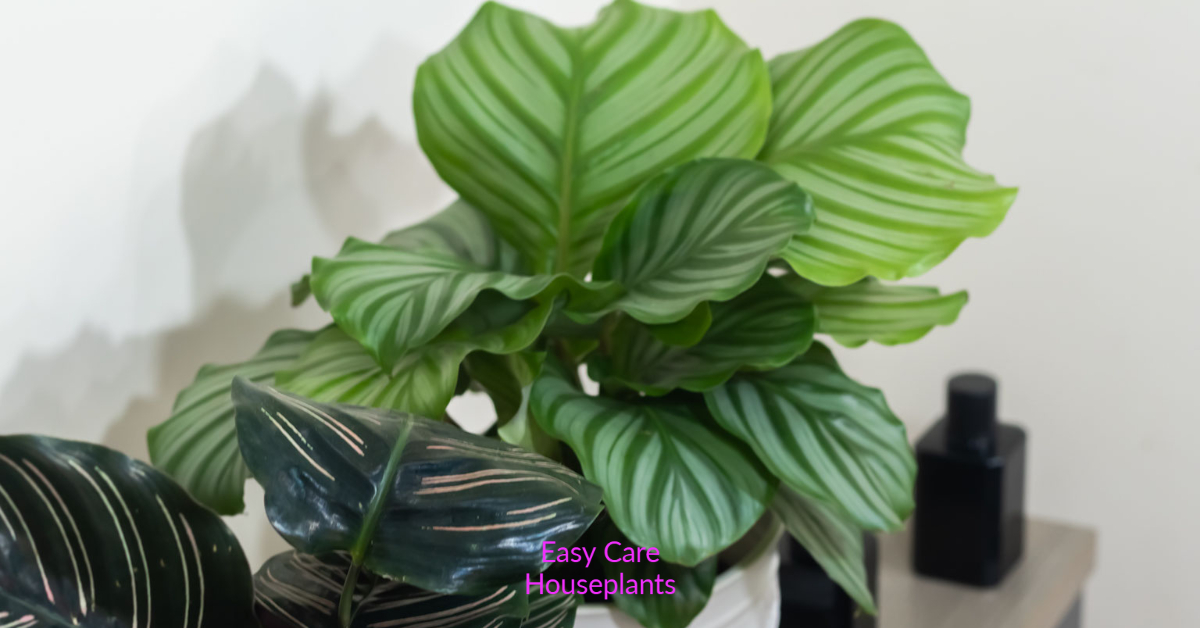
Calathea Orbifolia, Goeppertia Orbifolia, Orbifolia Prayer Plant, or whatever you call it, is a stunner. This particular cultivar hails from tropical climates in Brazil. Like all Prayer Plants, Calathea Orbifolia has a reputation for being fussy. Orbifolia plants are not demanding, but they know what they like. Consistency is the key to helping an Orbifolia thrive. Here is what you need to know to keep this beauty lush and thriving.
All About Orbifolia
The stems of the Orbifolia grow from a central point with one leaf per stem. This plant’s rounded, oval-shaped leaves have alternating dark green and light silvery green stripes that radiate from the central midrib. The dark green lines vary in width and almost appear as pinstripes in some instances. A gentle wave passes through the foliage, giving each leaf a slight ripple.
The leaves gently lift at night and fold down during the day, inspiring the name Prayer Plant. Mature plants can reach 3 feet tall, with individual leaves measuring up to one foot wide. The Calathea Orbifolia can grow rather large for a Prayer Plant, and many do not have floor plant potential.

Proper Name
Many of the plants in the Calathea genus have been reclassified as Goeppertia. You may see this plant labeled as a Geoppertia, or Calathea, or simply by the nickname, Prayer Plant. All of these terms are sort of the same. I continue to use the term, Calathea simply because that’s how most people know the plant, but Geoppertia is the correct genus name.
Orbifolia Light Needs
The Orbifolia is an understory plant, so medium to bright indirect light is best. Keep Calathea houseplants out of direct sunlight, which can burn the foliage. Plants grown in low light will lose the intensity of the variegation and may become leggy.
How Often to Water Prayer Plant Orbifolia
Water is the most challenging part of Calathea care for many plant owners. The Calathea Orbifolia likes damp, but not soggy, conditions. Give the Orbifolia plants water when the top one to two inches of soil are dry. Factors like light and humidity influence how quickly the soil dries, so checking the soil with your finger is the most dependable method to gauge dryness.
Overwatered plants will develop yellow leaf tips, and the yellowing will continue to engulf the leaf if the plant remains overwatered. Curling leaves indicate the plant is too dry. The curl will flatten out when the plant is watered. Underwatering is much less stressful than overwatering, so give the plant another day or two if you’re unsure whether it needs water.
Plan to water Orbifolia plants weekly, give or take a few days, during the spring and summer. Calathea plants are dormant during the winter, and dormant plants need a drink every two to three weeks.

Proper Soil
Any moist but well-drained soil is a good fit. Most ready-made potting mixes work well for Calathea Orbifolia. Amend the soil with peat moss to create a preferred acidic pH. Use a container with drainage so that any excess water can drip away. Natural pots that allow water to evaporate, like unglazed ceramic or terra cotta, are good options.
Temperature for Orbifolia
These are tropical plants, so they like warm temperatures. Most homes are perfect, so if you’re comfortable, your plant will be, too. Anything between 65° and 75° F is suitable for Orbifolia houseplants. This charming houseplant can make an excellent addition to a covered patio or outdoor space, but make sure the low temperature is warm enough. Cold temperatures are damaging. Drooping foliage can be a sign the temperature is too chilly.
Calathea Orbifolia Humidity Needs
Humidity for the Orbifolia must be in the 50-60% range. Increased air dampness is essential and keeps the foliage lush and vibrant. Plants grown in low humidity will start to dry out along the edges and curl.
Address the humidity needs by placing the plant in a naturally humid room, like a kitchen or bathroom, while also being mindful of the sunlight. Make any spot a good fit for an Orbifolia by using a humidifier or a pebble tray with water. Remember that humidity levels fluctuate throughout the year, so your home may have enough natural humidity during the summer but become too dry during winter. Manually addressing the humidity may only be a seasonal task.
A trick to help humidity-loving plants like the Orbifolia is to group plants together. Plants with average to above average humidity needs can be grouped to create a lovely foliage display while also increasing the humidity in the area, helping all of the plants to thrive.

Calathea Orbifolia Fertilizer
Calatheas are not heavy feeders, but the Orbifolia has a medium growth rate and can get big, so routine fertilization will help this beauty reach its full potential. Fertilize Calathea Orbifolia monthly during the spring and summer. Use a balanced fertilizer or a plant food high in nitrogen to encourage more leaf production. Stop fertilizing in the winter and let the plant enjoy its dormancy.
How to Prune
Remove dead or damaged growth as needed. Trim away dry, crispy edges or yellowed, overwatered tips using sharp, clean shears. Prune damage when less than half of the leaf is marred. Remove the entire leaf when more than half of the leave is damaged.
Does Orbifolia Bloom?
The Calathea Orbifolia does bloom under the right conditions. Small creamy white flowers stand on the ends of tall stems. It is rare for Orbifolia houseplants to bloom, which is okay because this plant is often grown for its foliage.
When to Repot Calathea Orbifolia
Repot Calathea Orbifolia every other year. Stray roots and slow growth are signs the plant needs a larger container. Repotting is necessary, but it can be stressful, so help your plant settle into its new home by ensuring the sunlight, humidity, temperature, and water care is on point in the following weeks.
Repotting is best done in the spring. You can keep the plant together and give it a larger container, or divide it and repot each new plant separately. The process of dividing the plant is formally known as division, and it is the most effective way to propagate Calathea. You may need to trim the roots to separate plants but try to minimize handling the sensitive roots as much as possible. Choose a container that is two inches larger than the root ball.

Is Calathea Orbifolia Pet Safe?
Like all Calathea houseplants, the Orbifolia is pet friendly. This leafy houseplant is safe to have around cats and dogs. Chewing or eating any part of the plant will not harm your pet. Plants belonging to the Goeppertia genus are not toxic or poisonous.
Clean Foliage
Routinely clean the leaves to keep the Orbiolia looking good. Dust and debris can build up over time, and it not only makes the plant look dingy but it can impact the plant’s health. Buildup can diminish the plant’s ability to conduct photosynthesis and harm the plant.
Orbifolia Styling Tips
This stunner is lovely at any size, from a compact tabletop plant to a full-blown floor plant. Pair an Orbifolia with a plain planter so the foliage steals the show, or create drama by matching the plant with a bold container.
Calathea Orbifolia Care Tips
Calatheas are not the best choice for first-time plant owners, but this beauty is not as hard to grow as many assume. Growing a Calathea is about basics, so focus on light, water, temperature, and humidity. Be patient and ready to change things up if the plant shows any sign of decline. Once you get the hang of growing Calatheas, like the Orbifolia, you can adjust as necessary and help this plant flourish.