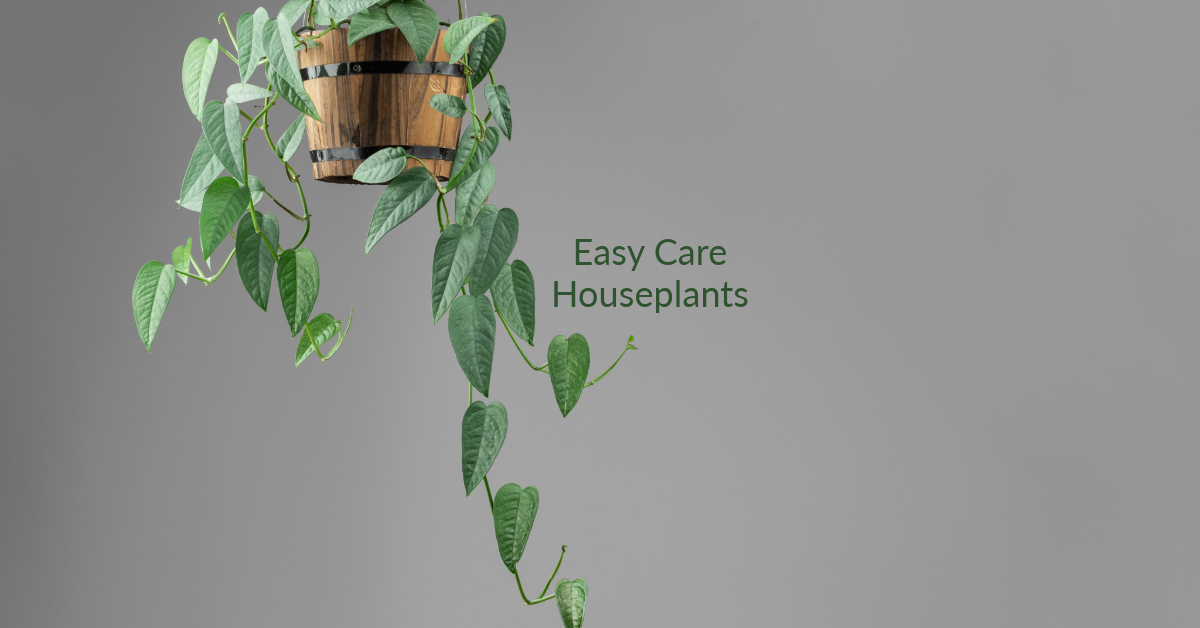
You may not be familiar with the botanical name, but you’ve probably heard of and even seen plenty of Epipremnum pinnatum. These plants are leafy and low-maintenance, and many are rare houseplants, making them sought after. Get the details about Epipremnum pinnatum care and find out why you may want to consider adding one of these vining beauties to your collection.
Types of Epipremnum Pinnatum
Epipremnum pinnatum often goes by the common name Pothos. The Cebu Blue Pothos and Baltic Blue Pothos are both varieties of Epipremnum pinnatum.
Many other Pothos cultivars, like the Snow Queen, Manjula Pothos, Jessenia Pothos, are Epipremnum aureum, so they’re part of the same genus but a different species. Most Pothos varieties you encounter are part of the aureum species, but there are some pinnatum cultivars out there. The leaves indicate whether an Epipremnum is a pinnatum or aureum. Epipremnum pinnatum has narrow leaves, while aureum has wide foliage that is often more heart-shaped. Any Pothos that has fenestrated leaves is often a pinnatum.
Epipremnum Pinnatum Care Requirements
Epipremnum pinnatum care is the same as any other Pothos variety. Place the plant in a location that receives medium to bright, indirect sunlight. These plants are vivacious growers, but expect the best results in increased sunlight. While Epipremnum pinnatum can live in medium light, growth will be slow, and foliage may appear stunted.
Use a well-drained, acidic soil and fertilize every other week when the plant is actively growing. Apply a balanced fertilizer and always follow the instructions on the packaging. Water your Pothos when the top few inches of potting mix are dry.

Temperature and Humidity Needs
These vining plants prefer temperatures between 65° and 75° F. Keep them away from drafty windows and doors, and HVAC vents. If you move them outdoors for the summer, select a spot in partial shade.
Epipremnum pinnatum thrives in increased humidity, but they can also live perfectly happy and healthy lives in average humidity. Low humidity is often a deal-breaker. Dry patches on the edges of the leaves are a sign that the air is too dry. Place a humidifier or a pebble tray nearby to add extra moisture to the air.
Pothos Pruning Tips
Remove the occasional dry or damaged leaf to maintain a neat appearance. Epipremnum pinnatum is a vining plant, and you can let the vines go and reach their full potential, train them on a trellis, or you can trim them. Trim just below the leaf when pruning. Routinely trimming the plant promotes fullness and encourages denser growth.
When to Repot Epipremnum Pinnatum
Upgrade your plant to fresh soil every other year. Epipremnum pinnatum can handle being rootbound, but give the plant a larger container when you notice slow or halted growth. Always use a container with drainage holes to avoid root rot.
Epipremnum Pinnatum Propagation
Epipremnum pinnatum is very easy to propagate. Keep those sections removed during pruning and place them in water or soil. The aerial roots will grow into soil roots, and you’ll have a new plant.
Is Epipremnum Pinnatum Pet Friendly?
Like other Pothos varieties, Epipremnum pinnatum is not pet-safe. All parts of the Epipremnum plant contains calcium oxalate crystals, which cause swelling and irritation of the mouth and throat, as well as gastrointestinal distress, if consumed. Know the risks before introducing this plant into your home if you have pets. For what it’s worth, these plants are also toxic to humans, so be aware if you have little ones.
Epipremnum Pinnatum Styling Tips
Plant styling is easy when you’re working with an Epipremnum pinnatum. A high shelf or hanger is a good choice for an established plant with long vines. The vines can also be trained to climb a trellis. A bushy plant will look charming on an end table or desk, but keep up with pruning to maintain the look.