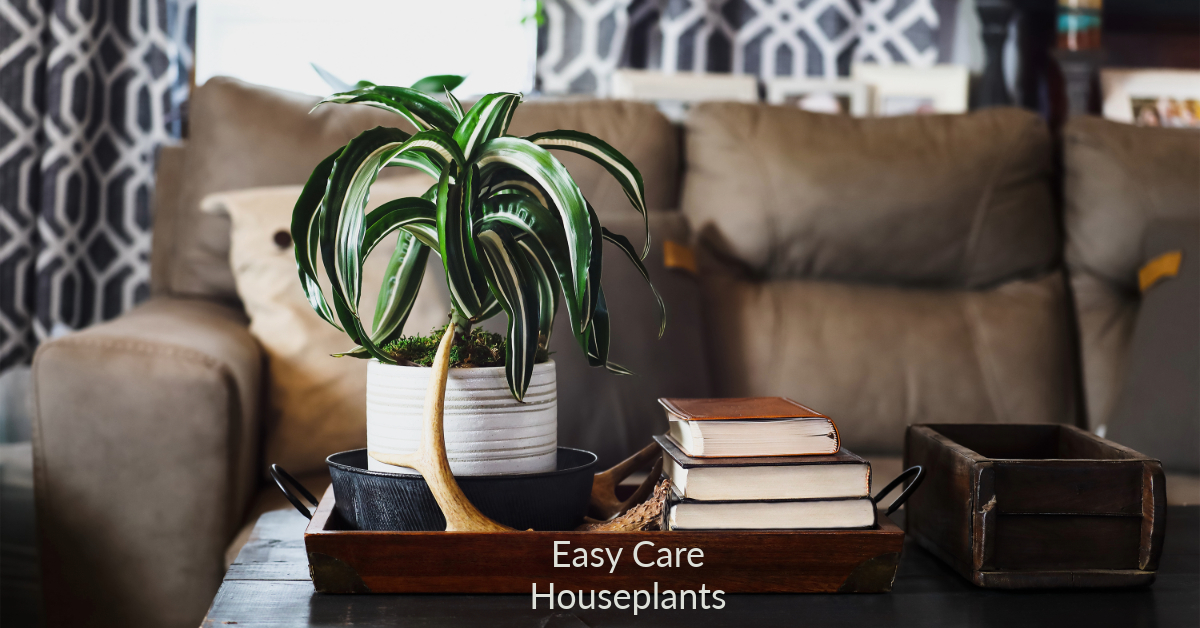
The Dracaena is not a popular houseplant, but it should be. This leafy plant is easy to grow and introduces effortless style into a space. The Dracaena warneckii is an easy-to-find species that is available in different variegation patterns, all of which are timeless and stunning. Here is what you need to know about caring for Dracaena warneckii.
All About Warneckii
The warneckii hails from tropical climates in Africa. The foliage grows in a rosette formation, and as the tree matures, it develops a trunk. The lower leaves fade but are constantly replaced by new leaves in the center of the rosette, so there is always plenty of foliage. The bare trunk looks like bamboo and adds to the visual appeal of this plant. The Dracaena Janet Craig is a variation of the warneckii and perhaps the best-known variety. Some of the other common Dracaena warneckii cultivars include:
- Dracaena Lemon Lime: A dark green center strip surrounded by lime-green margins.
- Dracaena White Jewel: A light green interior is bordered by thick, creamy white stripes and edged in dark green.
- Dracaena White Stripe: dark green leaves with a white pinstripe within the margin of each edge.

Dracaena Warneckii Light Needs
Bright indirect light is typically prescribed for Dracaena plants. Avoid direct sunlight, which can burn the foliage. Some varieties can live very comfortably in medium light or low light. Less light means this slow-grower will bulk up even slower, so keep that in mind when choosing a spot. The trade-off of having a plant that grows in low or medium light is often slower growth.
Variegated varieties like the Dracaena White Jewel or Dracaena Lemon Lime often need bright light to maintain their colorful foliage. Variegated plants that live in medium light may lose some intensity and have a bland, muted appearance.
How to Care for Dracaena Warneckii
All other aspects of Dracaena care are consistent across all varieties. Watering is a challenge for many plant owners. The Dracaena warneckii needs water when the potting mix is dry. A moisture meter can help determine the ideal time to water.
Rich, well-drained potting mix, increased humidity, warm temperatures, and a spot away from drafts and HVAC vents keep a Dracaena happy and healthy. Remove dead or damaged growth, but pruning is not a big part of Dracaena care.
How to Diagnose Plant Problems
Your plant will tell you when something is wrong, but you have to know how to decipher the signs. Here are some common Dracaena warneckii issues and how to fix things.
- Dry, curling leaves or yellow leaves: the plant is dehydrated. Remove damaged growth and deeply water the plant.
- Yellow leaf tips, declining growth, tiny gnats flying around: the plant is overwatered. Trim damaged growth and let the soil dry out before watering. Consider moving the plant to a sunnier spot or repot with fresh, dry potting mix in an extreme instance.
- Black marks on foliage: sunburn. Move the plant out of direct sunlight.

When to Repot Dracaena Warneckii
Don’t be in a rush to repot a warneckii. The plant will need a bigger container and fresh potting mix every 3 to 5 years.
Is Dracaena Warneckii Pet Safe?
The Dracaena warneckii, or corn plant, is not pet-safe. The foliage contains saponins, which, when ingested, cause drooling, vomiting, abdominal pain, and diarrhea in cats and dogs. Monitor your pet and contact your vet if you notice your pet munching on the foliage.
Dracaena Warneckii Styling Tips
Dracaenas are easy to style at any size, but a mature Dracaena warneckii just does something for a space. The tall, thin form adds lush greenery without a lot of bulk. Most tall, tree-like plants are substantial, but the slender form of a warneckii gives you the height without the width. Place a warneckii behind a couch or in a corner. Get two plants and use them to frame a large doorway or add foliage to a hallway.
Dragon Trees are slow growers, so use a plant stand to get the same effect from a medium-sized Dracaena. A small plant makes a lovely addition to a tabletop or mantle.